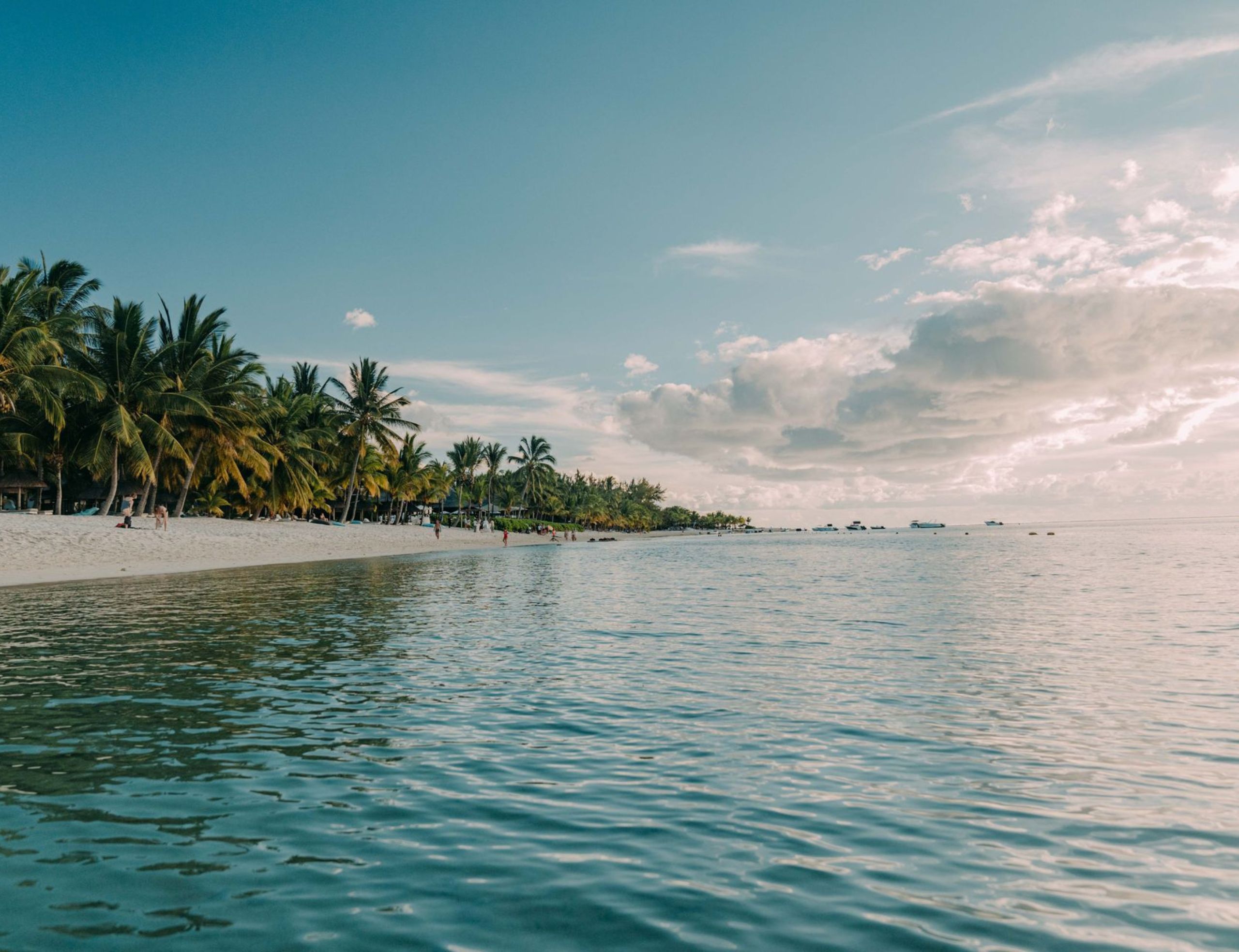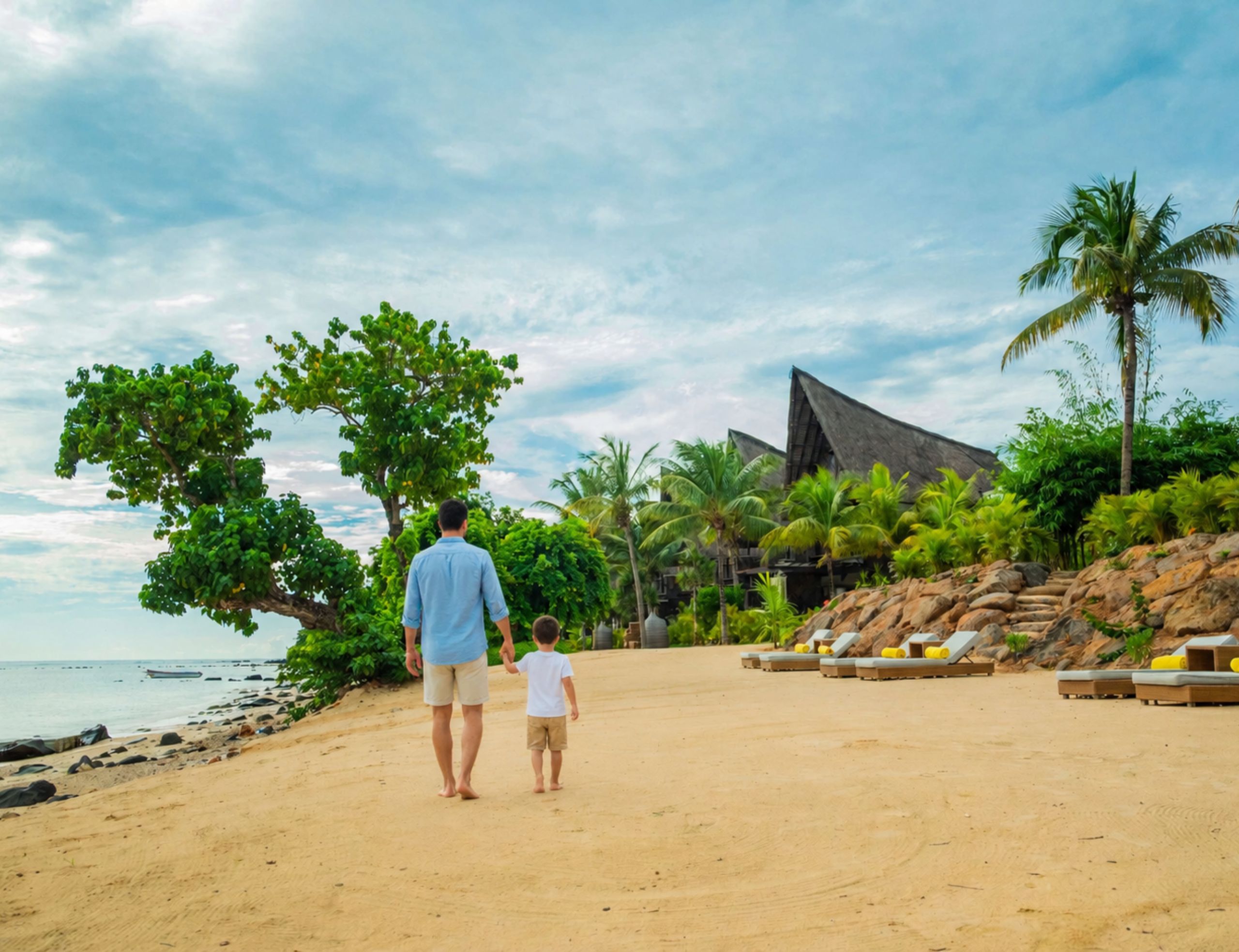
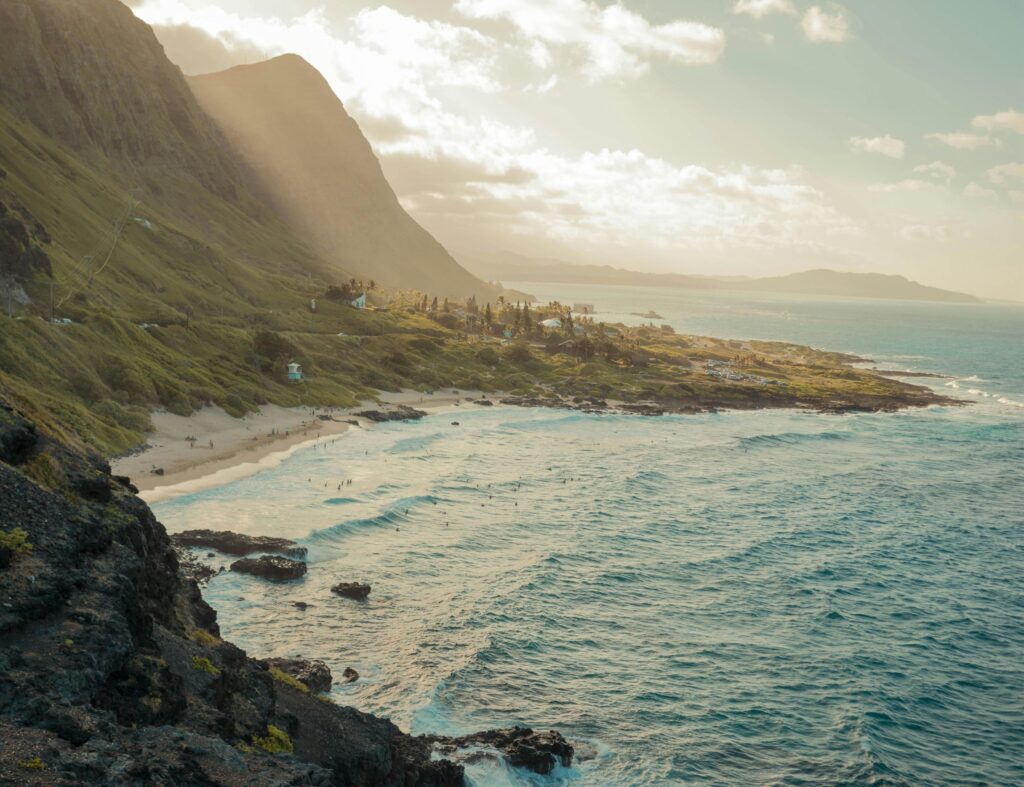
Many travellers imagine Mauritius as a uniformly tropical island where the weather feels the same everywhere throughout the year. In reality, the island has several distinct microclimates, particularly during the winter season between May and September.
Winter in Mauritius remains mild and sunny compared to Europe, with coastal daytime temperatures generally ranging between 24°C and 27°C. However, wind exposure, rainfall patterns, sea conditions, and elevation can vary significantly depending on which part of the island you choose to stay in.
For travellers planning a winter escape, understanding these regional differences can dramatically improve the quality of the experience.
Mauritius is influenced by south-east trade winds during winter. These winds affect different parts of the island unevenly depending on geography and coastal orientation.
The eastern and southern regions are generally more exposed to wind and ocean swells, while the north-west coast remains naturally more sheltered.
Elevation also plays an important role. Inland regions located on the central plateau experience noticeably cooler temperatures and more frequent cloud cover than coastal areas.
This means that choosing where to stay during winter is not simply about selecting a hotel, but about selecting the right climate and environment for the type of holiday you want.
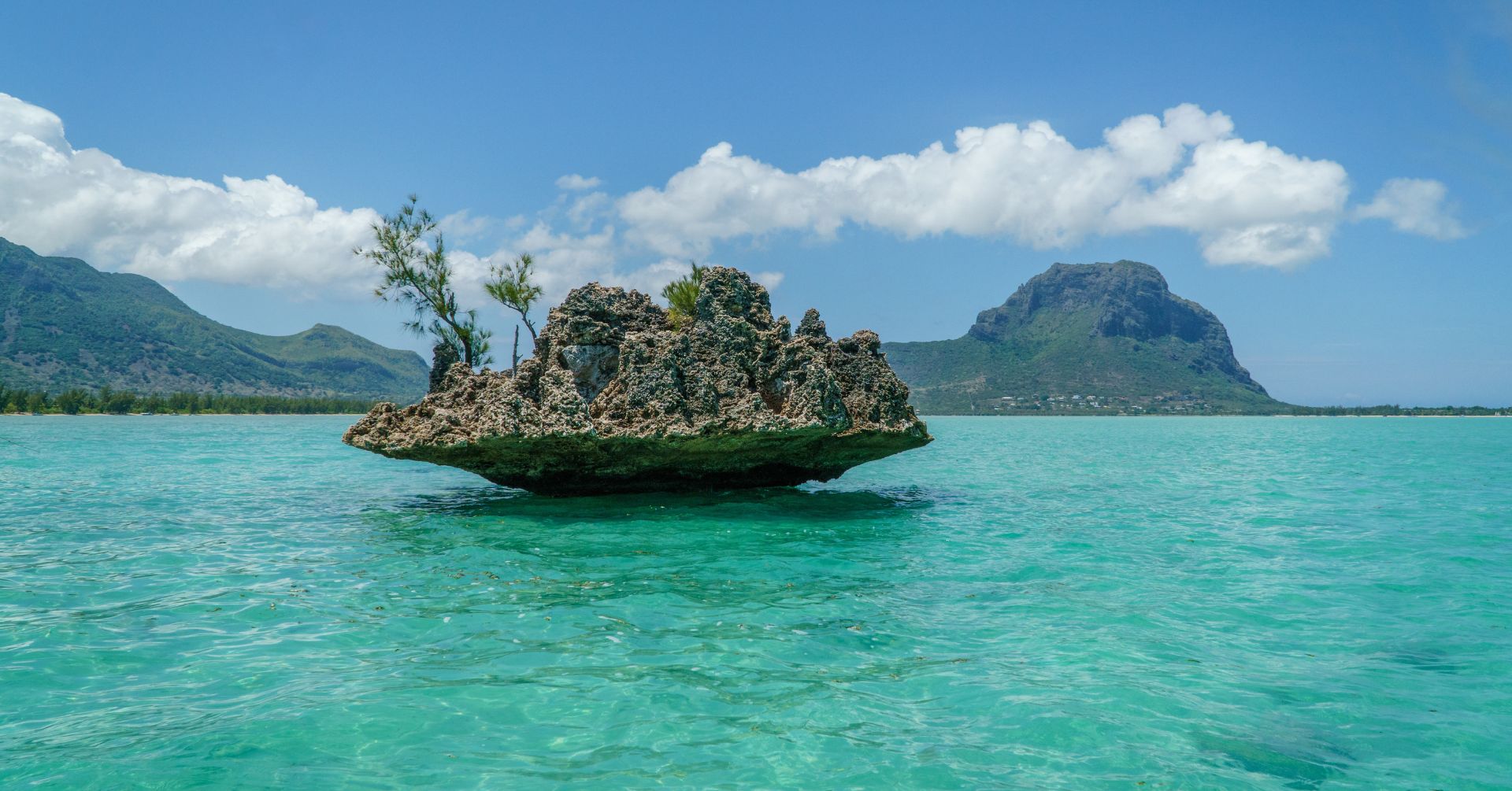
For many winter travellers, the north-west coast is widely considered one of the island’s most comfortable regions between May and September.
Areas such as Balaclava, Turtle Bay, Pointe aux Piments, and Trou aux Biches benefit from natural protection against the south-east trade winds that affect more exposed parts of Mauritius.
As a result, the region typically experiences:
• calmer sea conditions
• lower wind exposure
• warmer perceived temperatures
• reduced rainfall
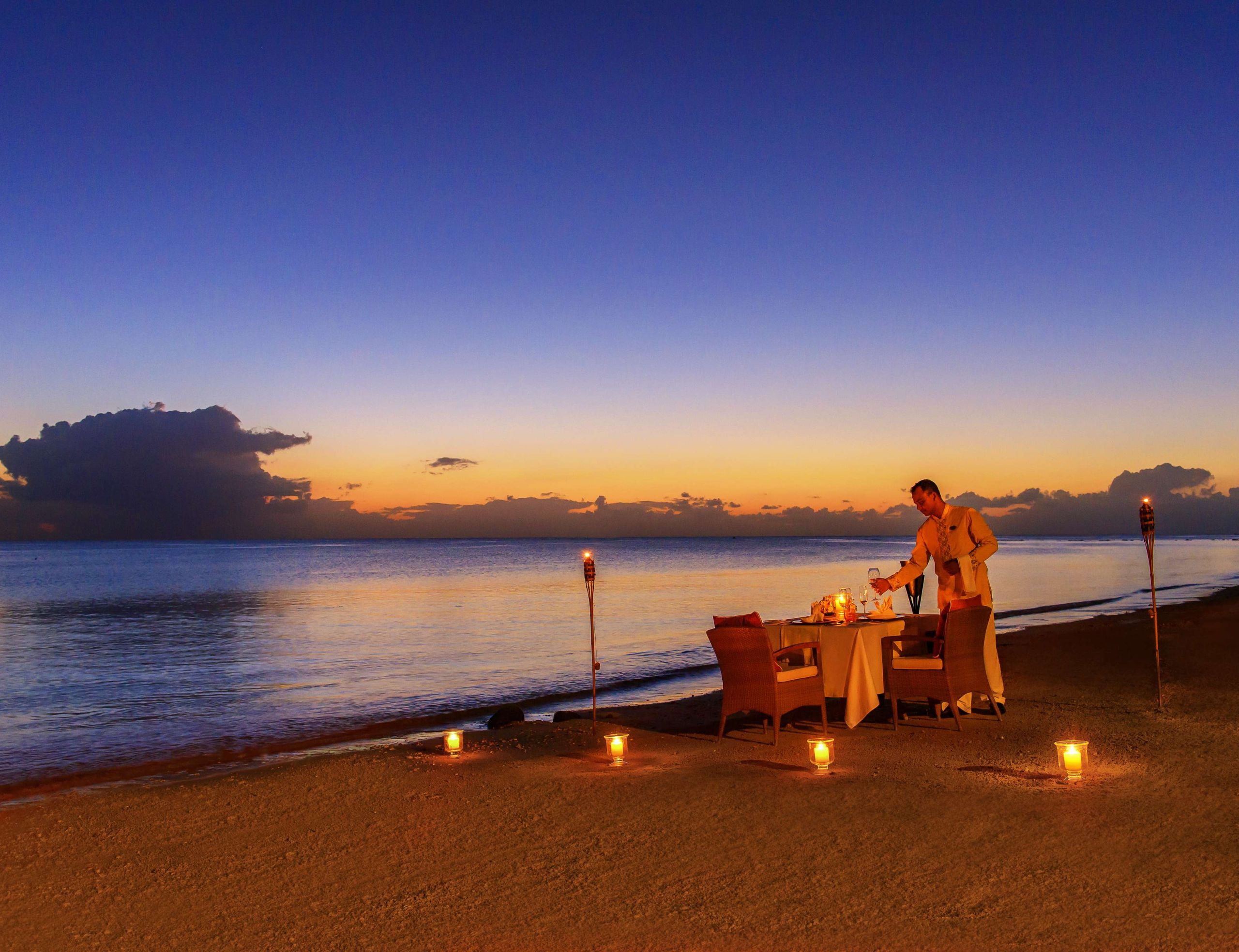
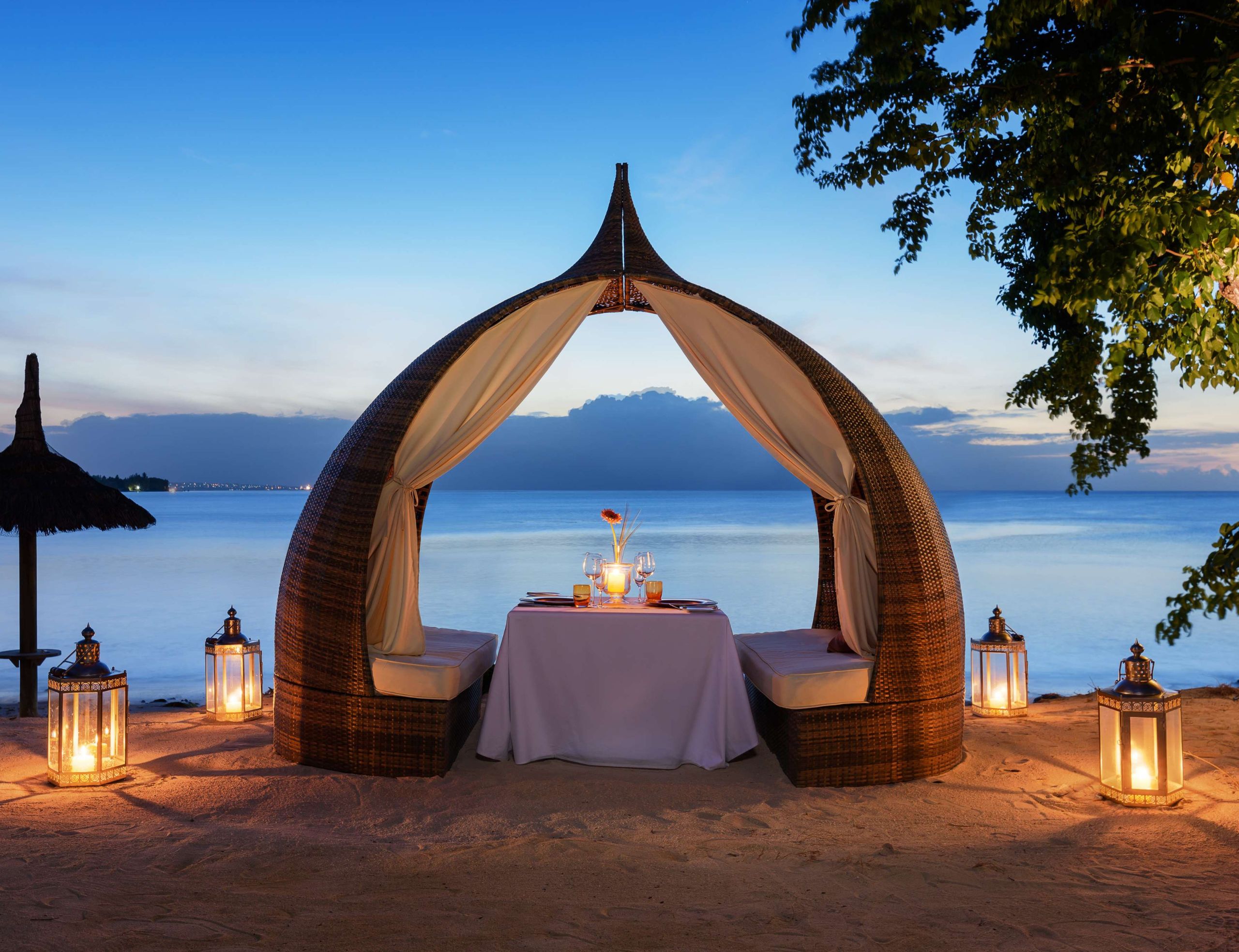
• more comfortable evenings for outdoor dining and beach activities
The lagoons along the north-west coast also tend to remain calmer during winter, making swimming, paddleboarding, snorkelling, and catamaran excursions more enjoyable during this season.
Another advantage of the north-west is its sunset orientation. Unlike the east coast, which faces sunrise, western-facing beaches receive long afternoon light and vivid sunsets throughout winter.
This part of Mauritius has increasingly attracted travellers seeking a quieter and more balanced experience centred around relaxation, wellness, and uninterrupted beachfront stays rather than high-energy tourism.
Areas such as Balaclava have also become popular among couples and wellness-focused travellers due to their calmer atmosphere and sheltered coastal setting.
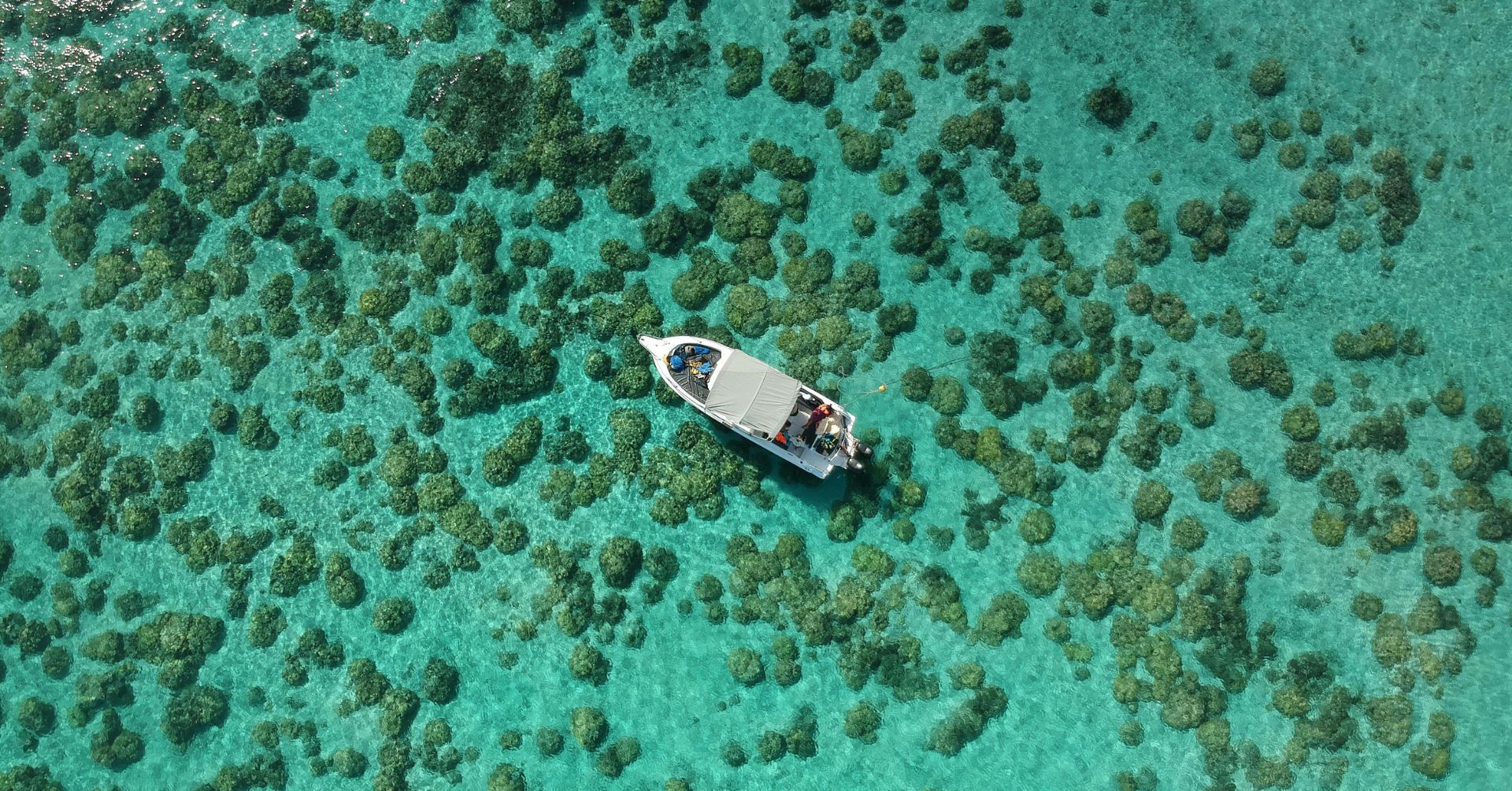
The east coast of Mauritius remains visually spectacular throughout the year, with long white-sand beaches and expansive lagoons. However, winter conditions here can feel noticeably different.
Because the east coast directly faces the south-east trade winds, the region often experiences:
• stronger coastal winds
• rougher lagoon conditions
• cooler evenings
• more variable beach comfort during winter months
This does not make the east coast undesirable. In fact, some travellers specifically choose it for these conditions. Wind sports enthusiasts, including kitesurfers and windsurfers, often favour eastern lagoons during winter because of the stronger and more consistent breeze.
The region also tends to feel more dramatic and untamed compared to the calmer north-west.
However, travellers seeking long, calm beach days or highly sheltered swimming conditions during winter may generally find the north-west more comfortable.
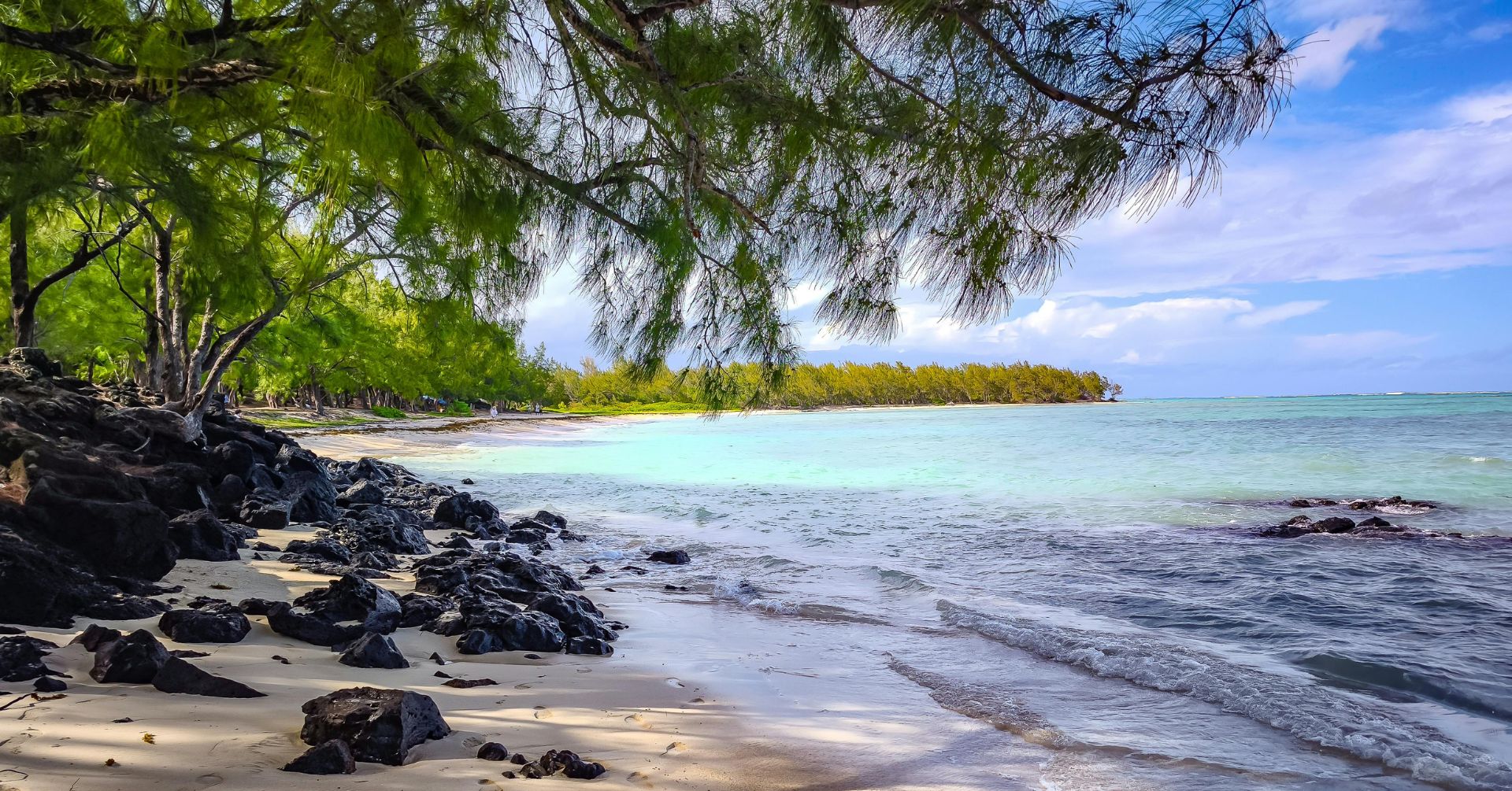
Southern Mauritius offers a very different experience from the classic postcard image associated with calm lagoons and sheltered beaches.
The south coast is more rugged, less protected by coral reefs in certain areas, and more directly exposed to ocean swells and winter winds.
This creates a landscape defined by:
• dramatic cliffs
• powerful ocean scenery
• stronger surf conditions
• cooler coastal breezes
• less lagoon swimming
Regions such as Gris Gris and the southern coastline appeal more to travellers interested in nature, hiking, photography, and raw coastal landscapes rather than traditional resort-style beach holidays.
Winter conditions here can feel significantly cooler and windier than in the north-west.
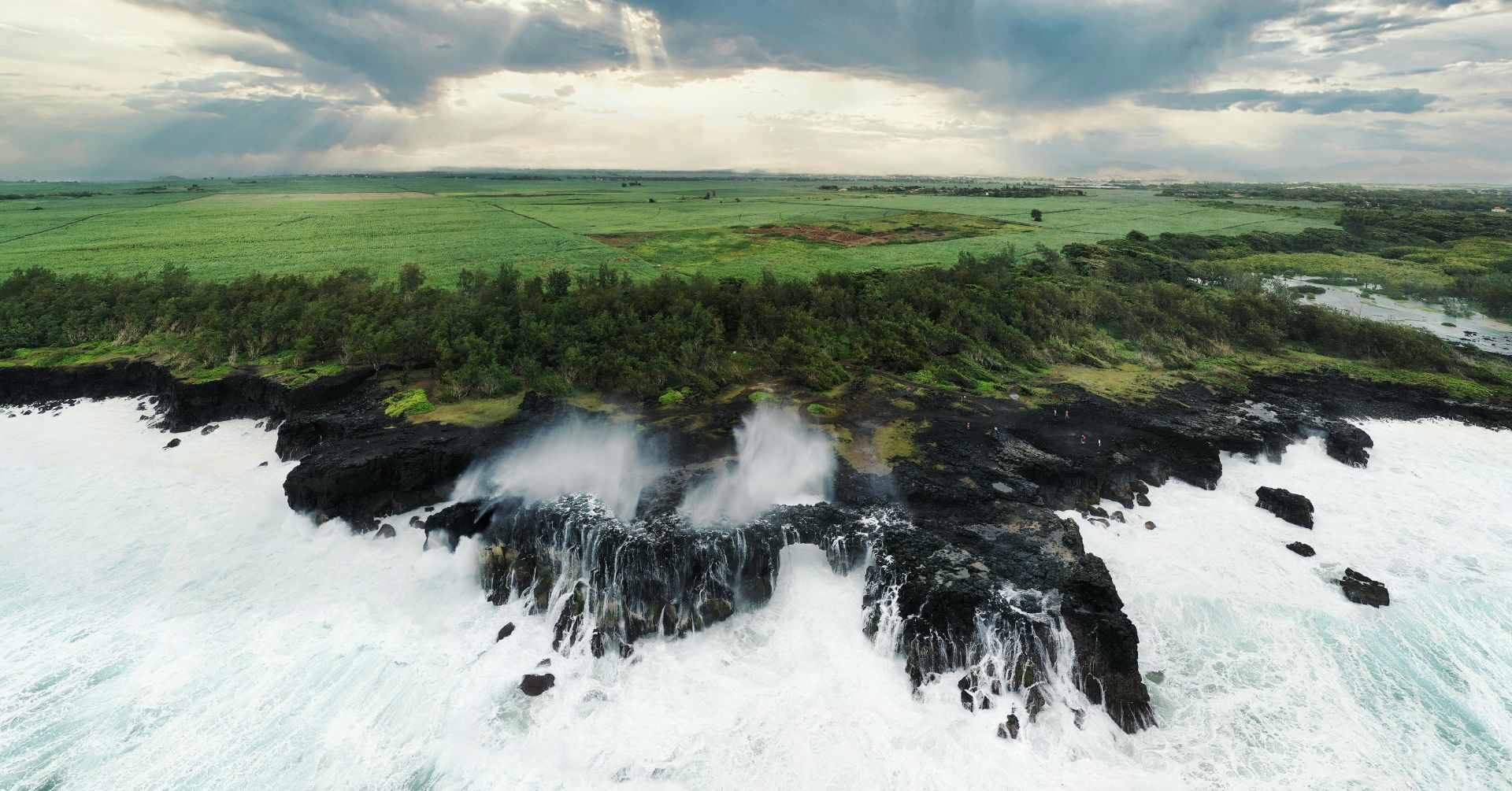
The west coast, including areas such as Flic-en-Flac and Tamarin, is also known for relatively dry and sunny winter conditions.
Like the north-west, the region benefits from partial protection against trade winds and tends to receive lower rainfall during winter compared to eastern regions.
The west coast is particularly known for:
• warm winter afternoons
• favourable sunset conditions
• good catamaran departure points
• dolphin excursions
• a more active tourism atmosphere
Compared to quieter northern areas, the west coast generally offers more nightlife, busier public beaches, and a livelier social environment.
For travellers seeking a combination of beach weather and activity, the west coast remains highly attractive during winter.
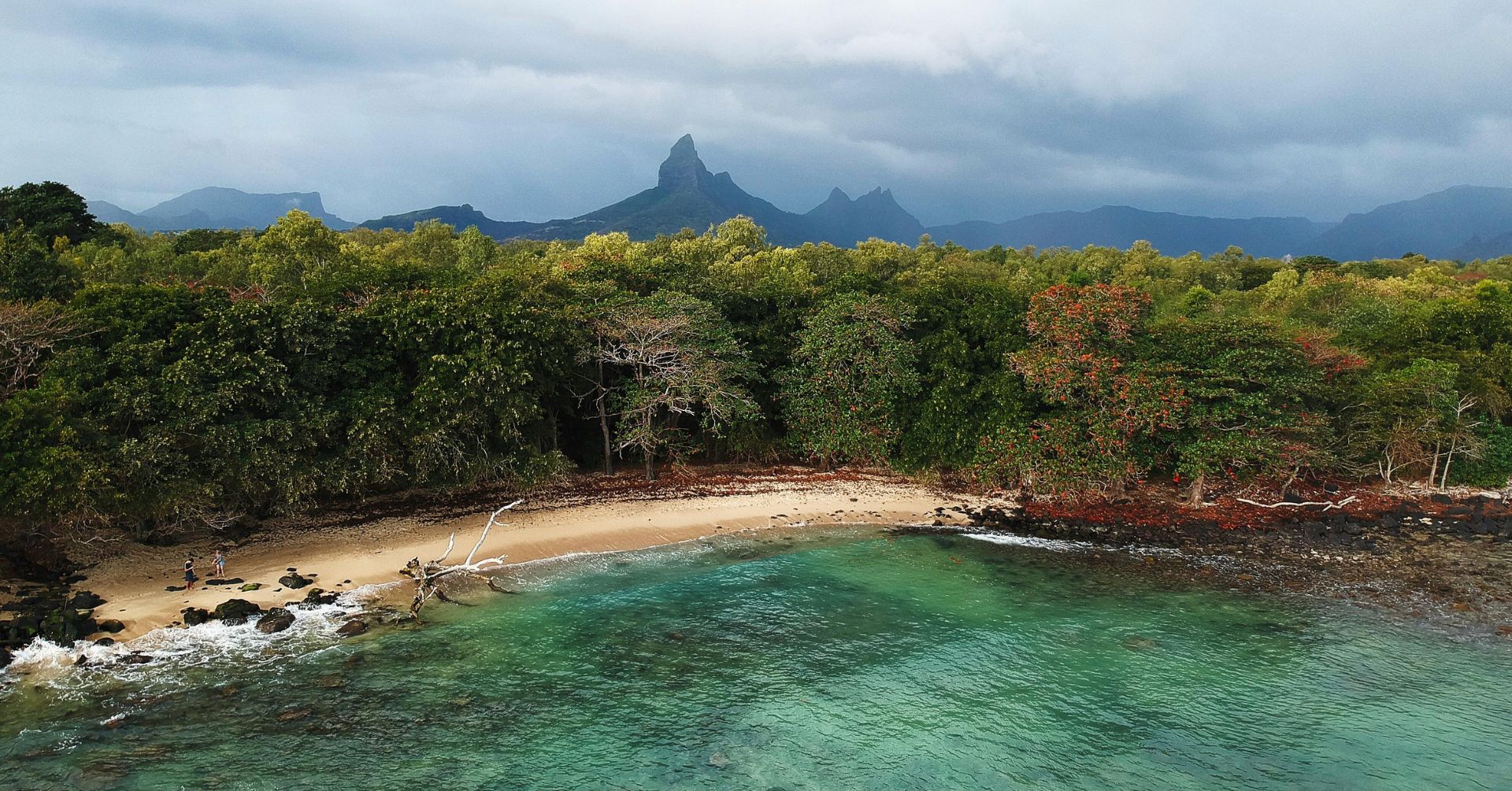
One of the biggest surprises for first-time visitors is how different the central plateau can feel compared to the coast.
Due to higher elevation, inland areas such as Curepipe and parts of Moka experience significantly cooler temperatures during winter.
Daytime temperatures in the central plateau often range between 20°C and 23°C, while evenings may fall below 16°C in some areas during colder periods.
The region also experiences:
• increased cloud cover
• higher humidity
• more frequent rainfall
• misty mornings and evenings
While these conditions create beautiful green landscapes, they can feel unexpectedly cool for travellers expecting purely tropical weather.
For this reason, visitors staying inland during winter are usually advised to pack light sweaters or jackets for evenings.
The answer depends largely on the type of experience you are seeking.
For calm lagoons, lower wind exposure, wellness-focused stays, and relaxed beachfront holidays, the north-west coast generally offers the most consistently comfortable winter conditions.
For wind sports and dramatic ocean scenery, the east and south provide a very different but equally distinctive side of Mauritius.
For travellers seeking a more active social atmosphere combined with warm winter weather, the west coast remains highly popular.
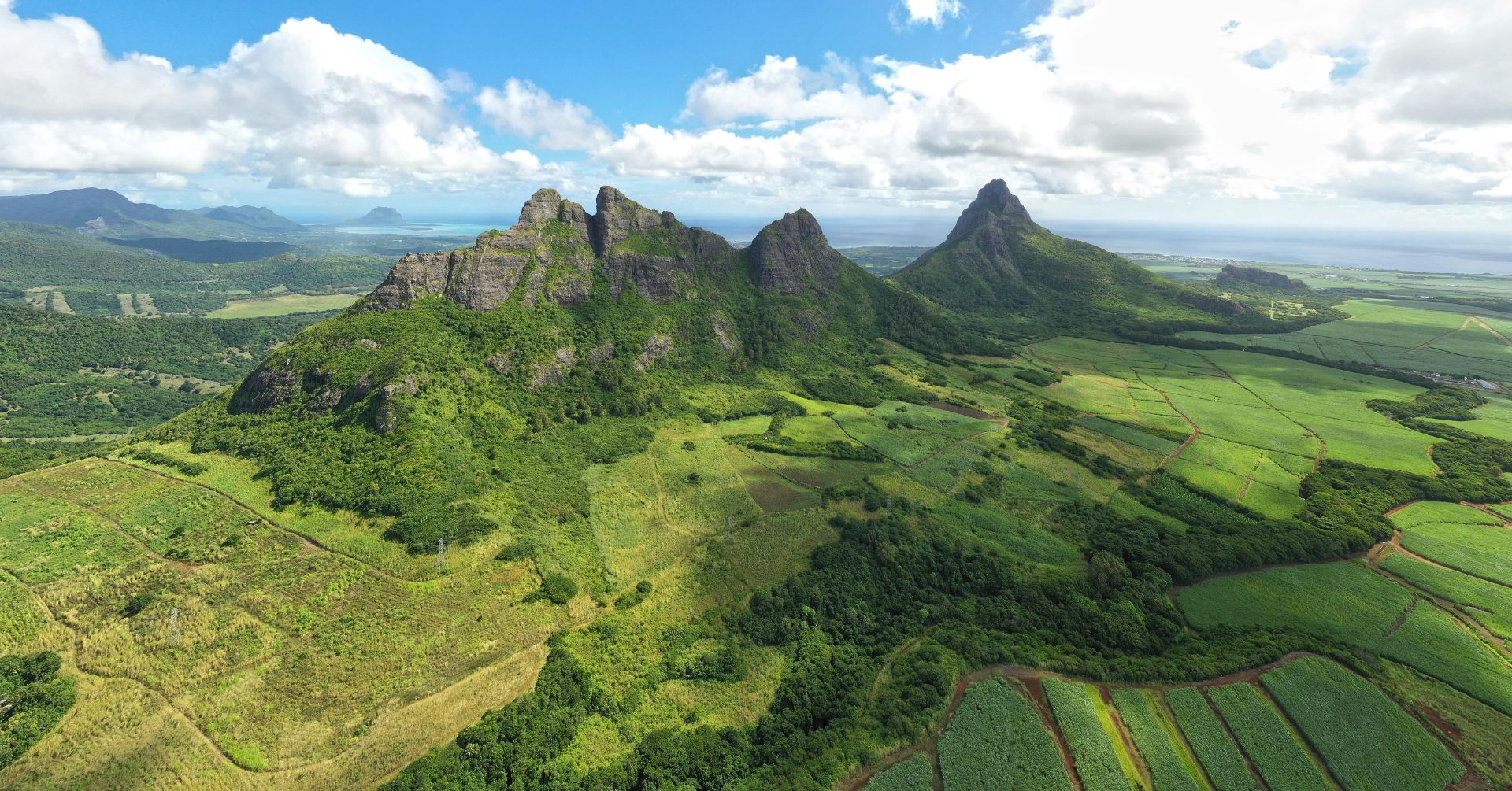
And for those interested in cooler temperatures, mountain scenery, and lush inland landscapes, the central plateau offers an entirely separate climate experience within the same island.
Ultimately, Mauritius remains one of the rare destinations where travellers can experience multiple climates and landscapes within relatively short driving distances.
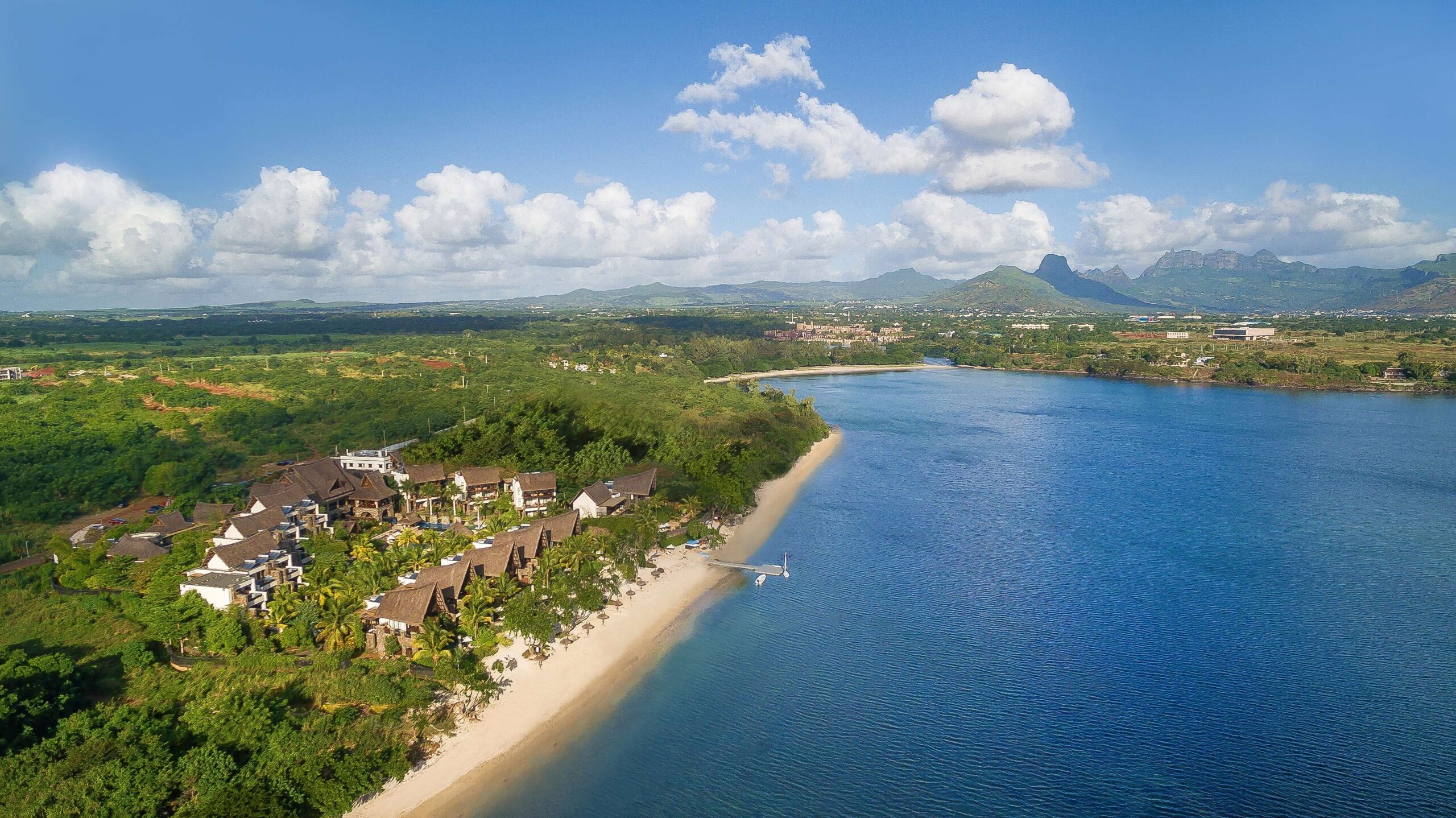
During the winter months, the sheltered north-west coast continues to stand out for its calmer conditions, lower wind exposure, and more relaxed atmosphere. Areas such as Balaclava are particularly appealing for travellers seeking quieter beachfront surroundings, warmer perceived temperatures, and a slower pace centred around rest and wellbeing.
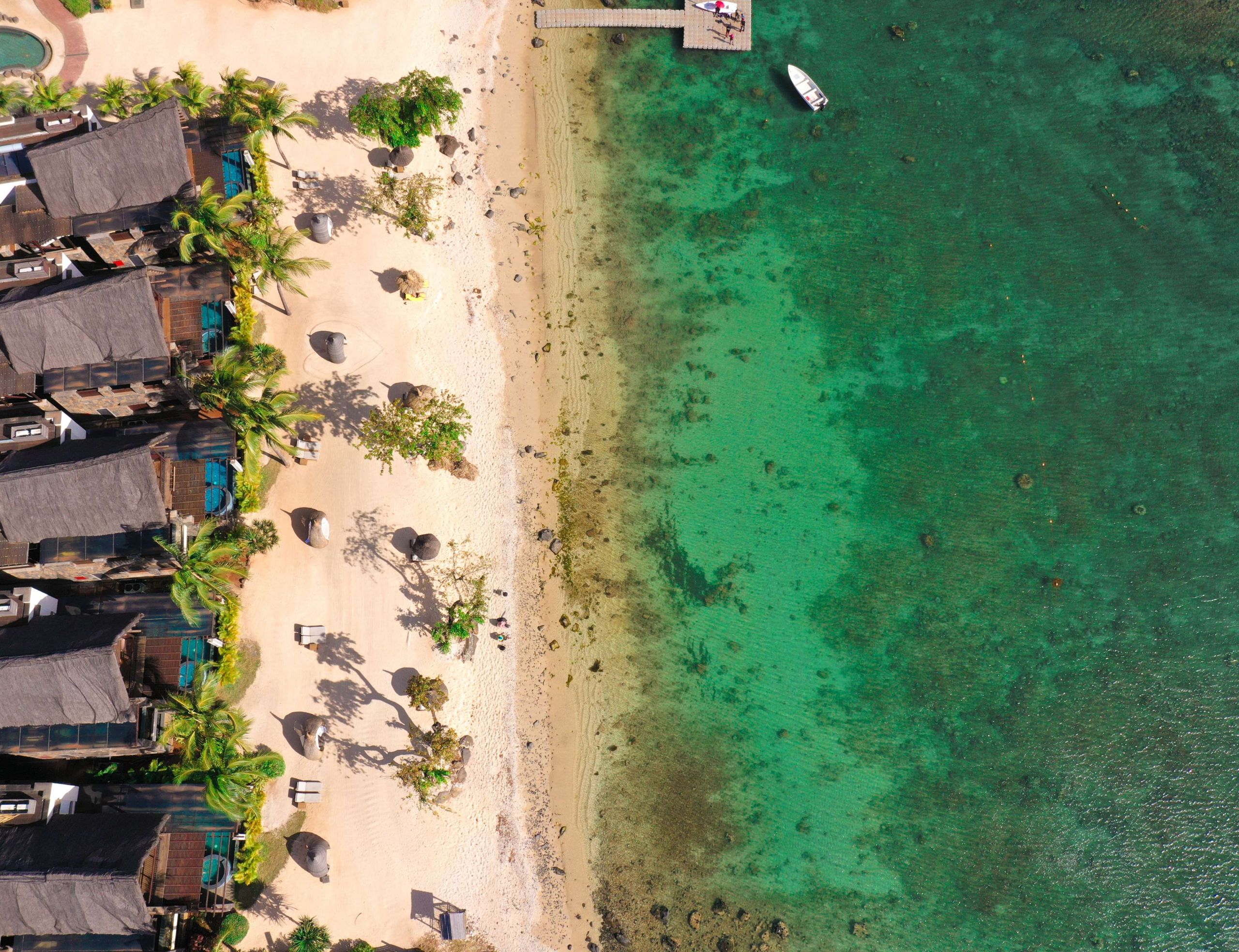
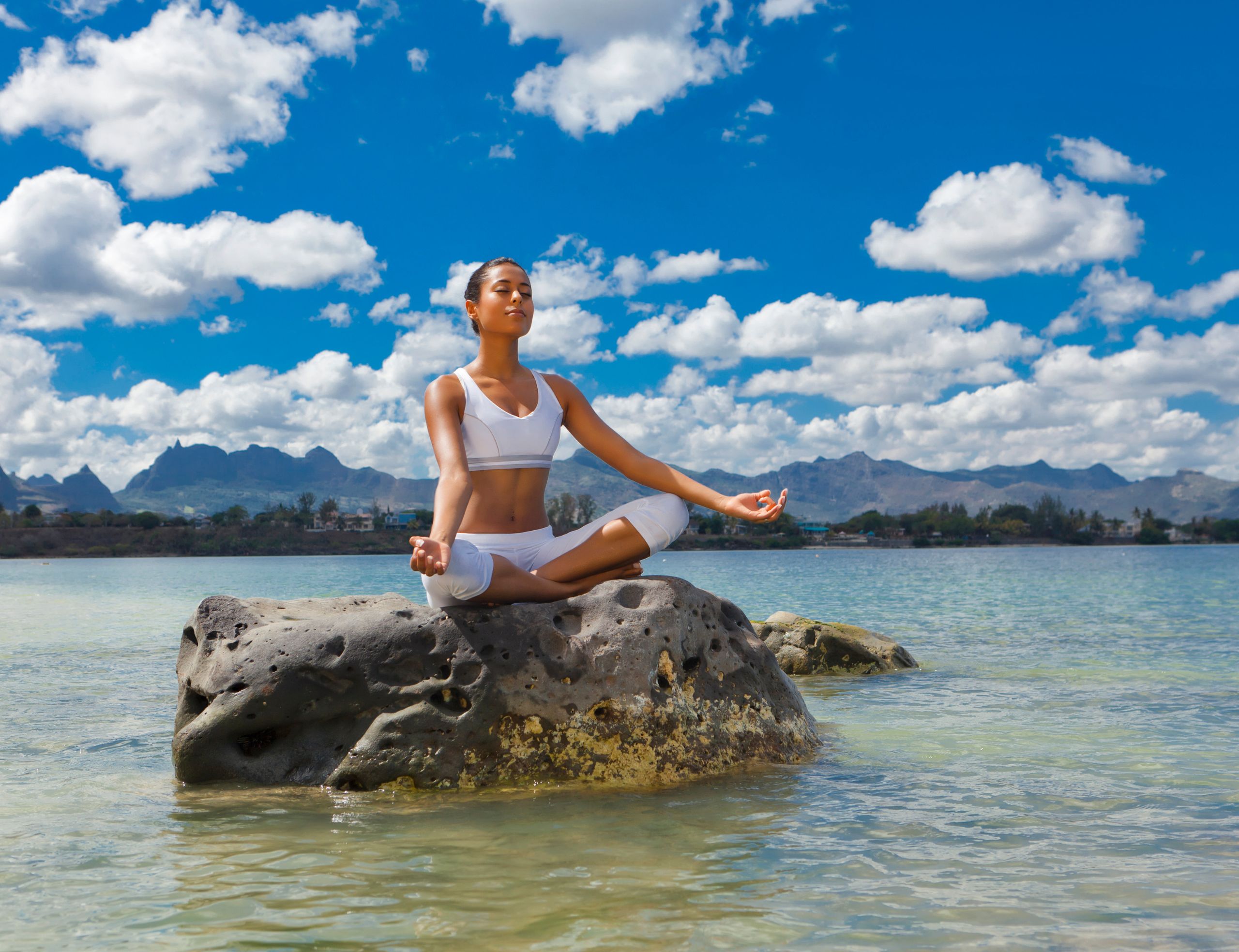
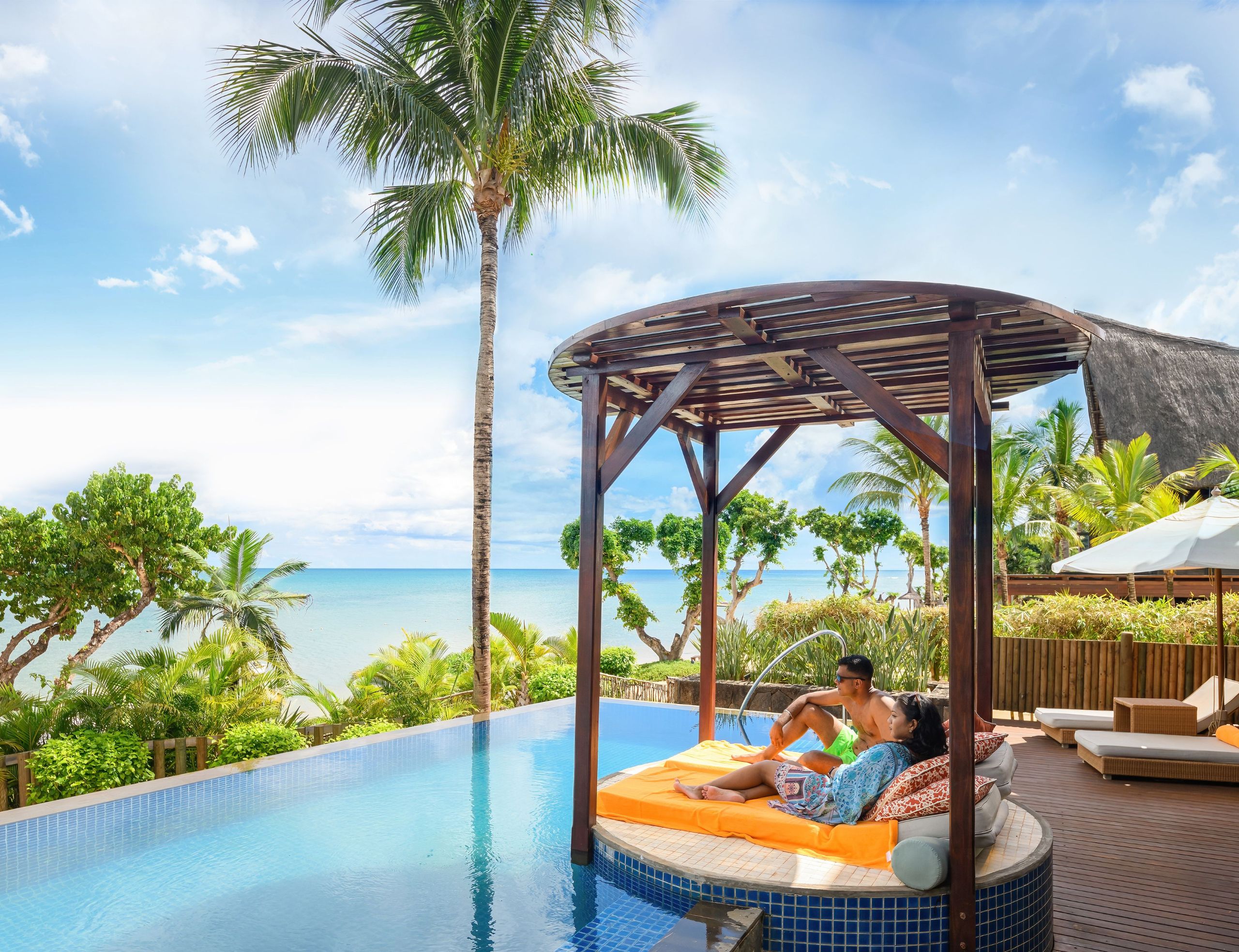
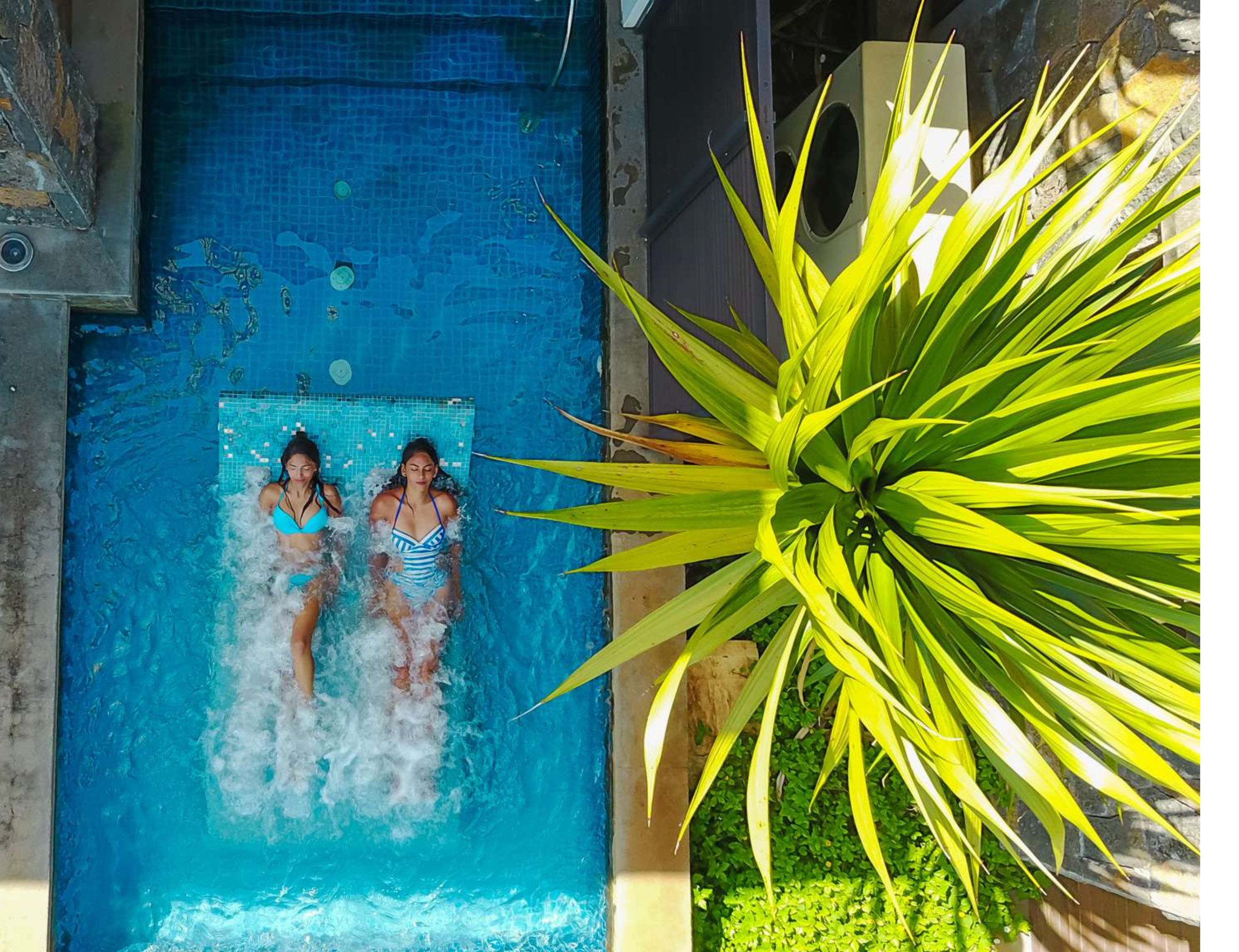
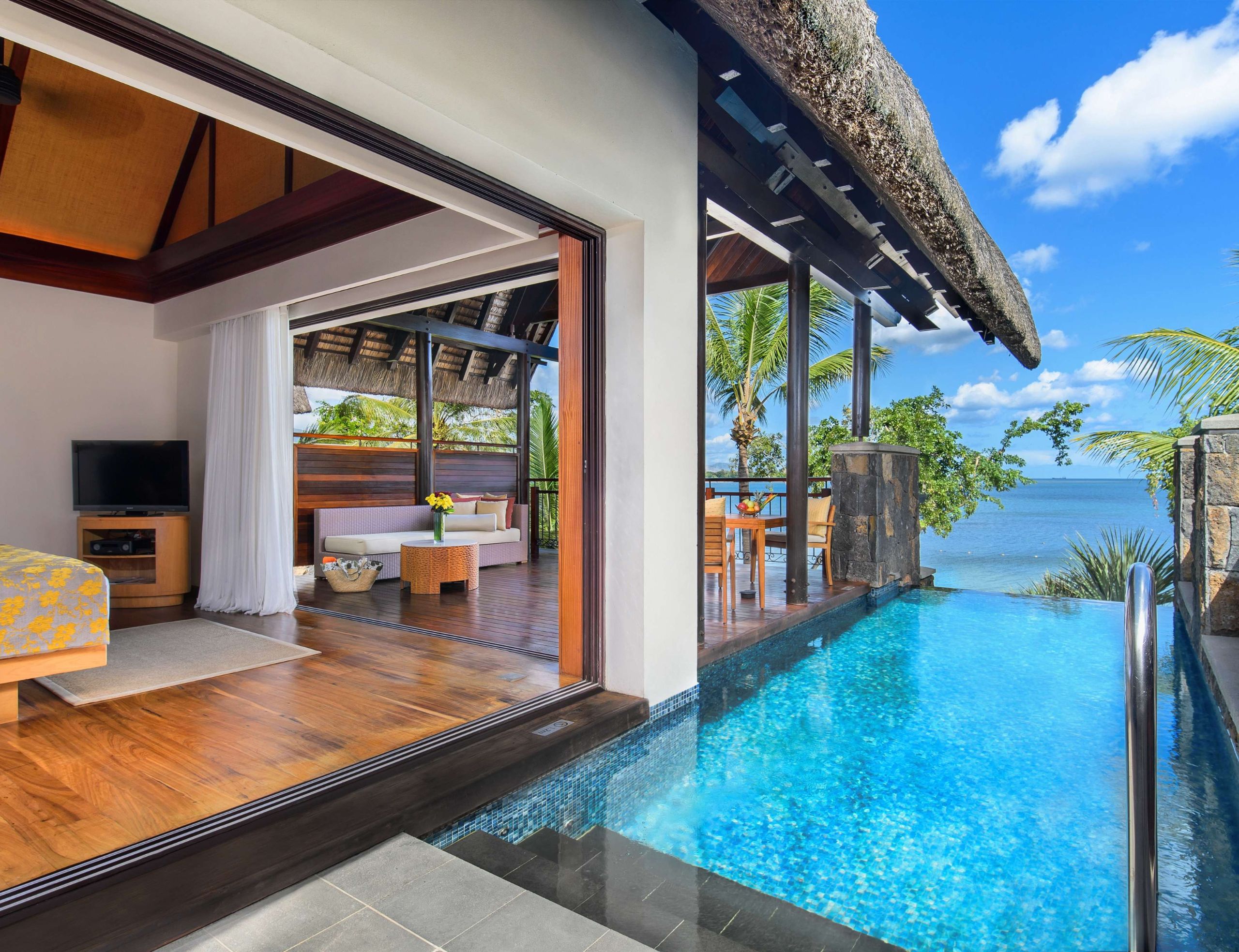
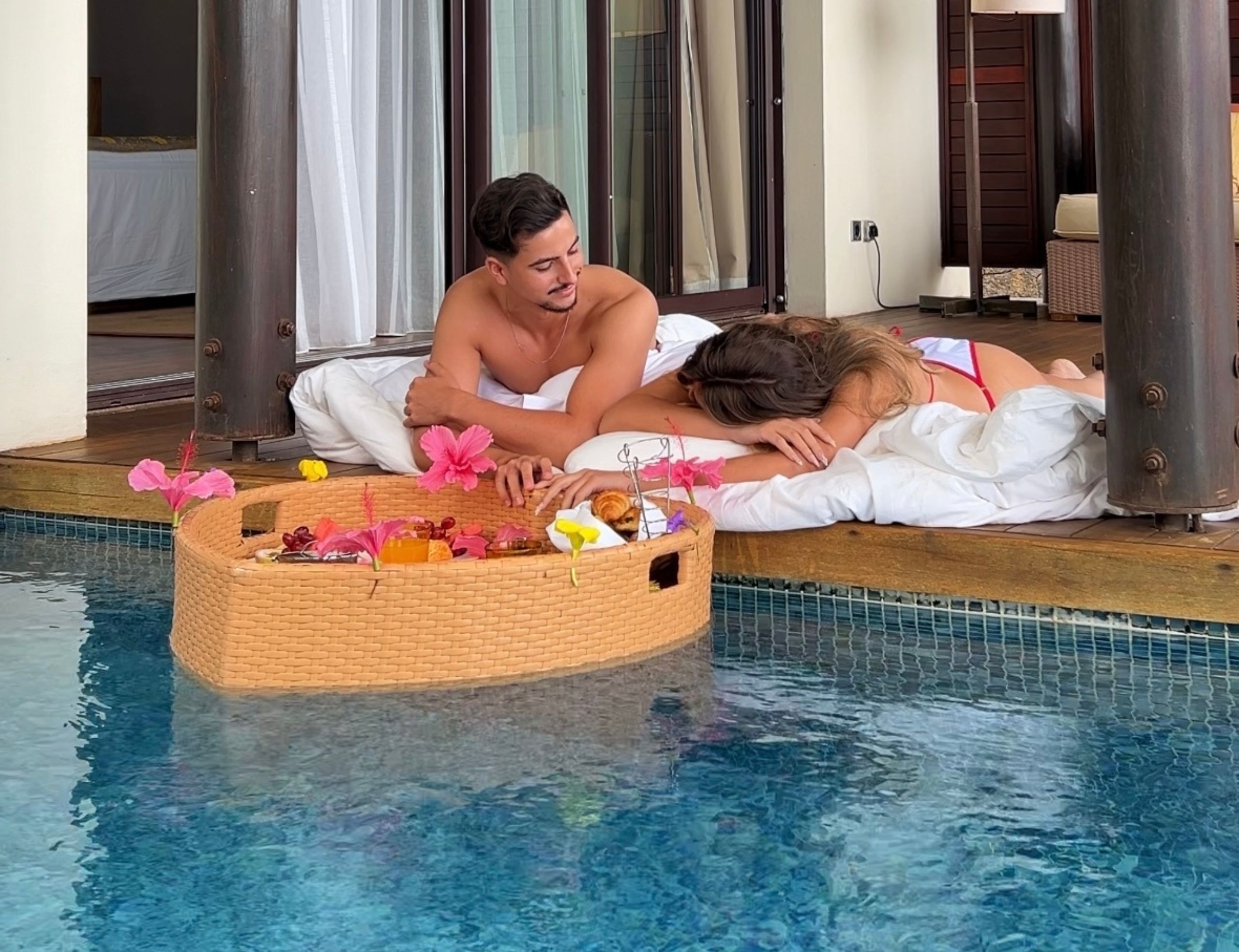
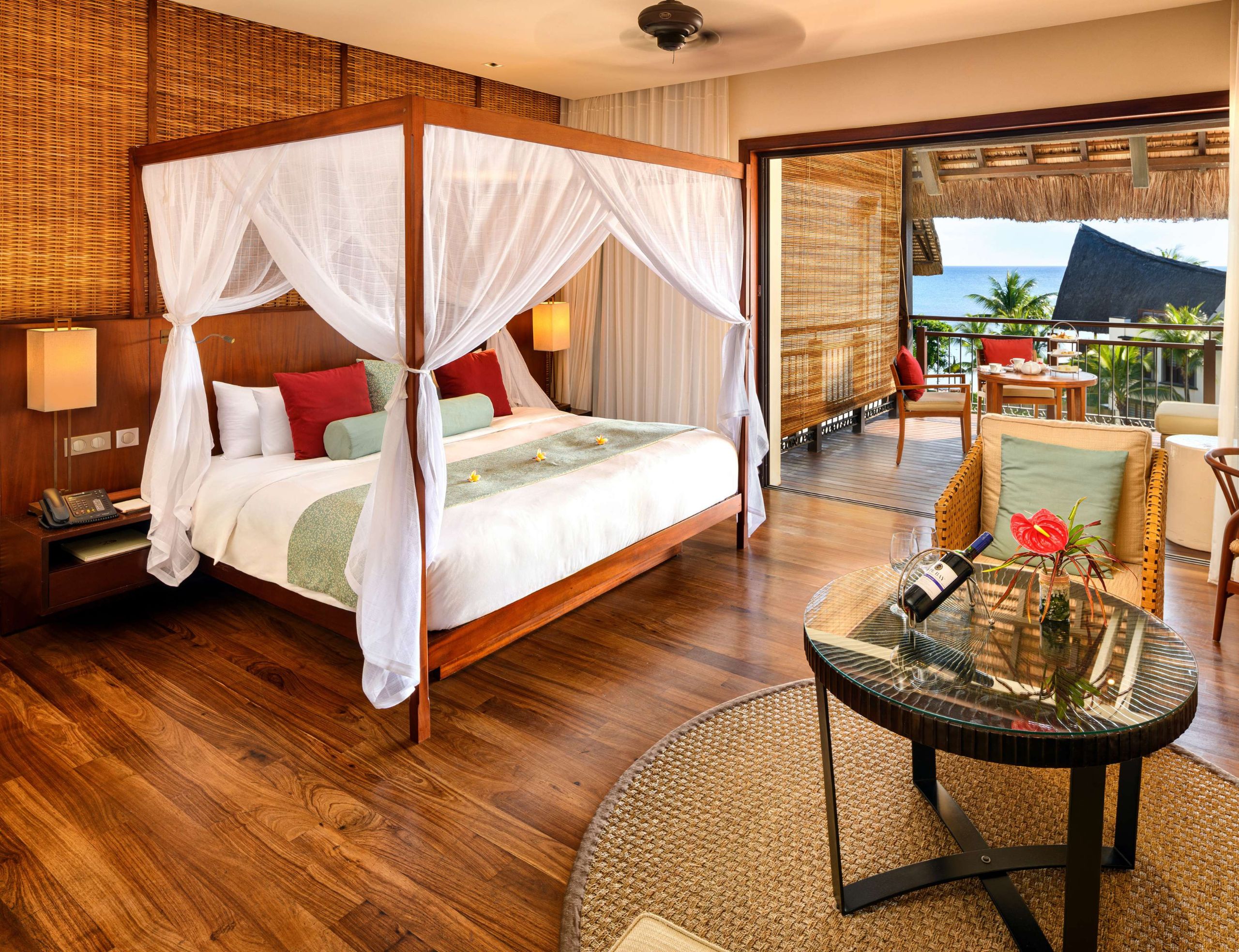
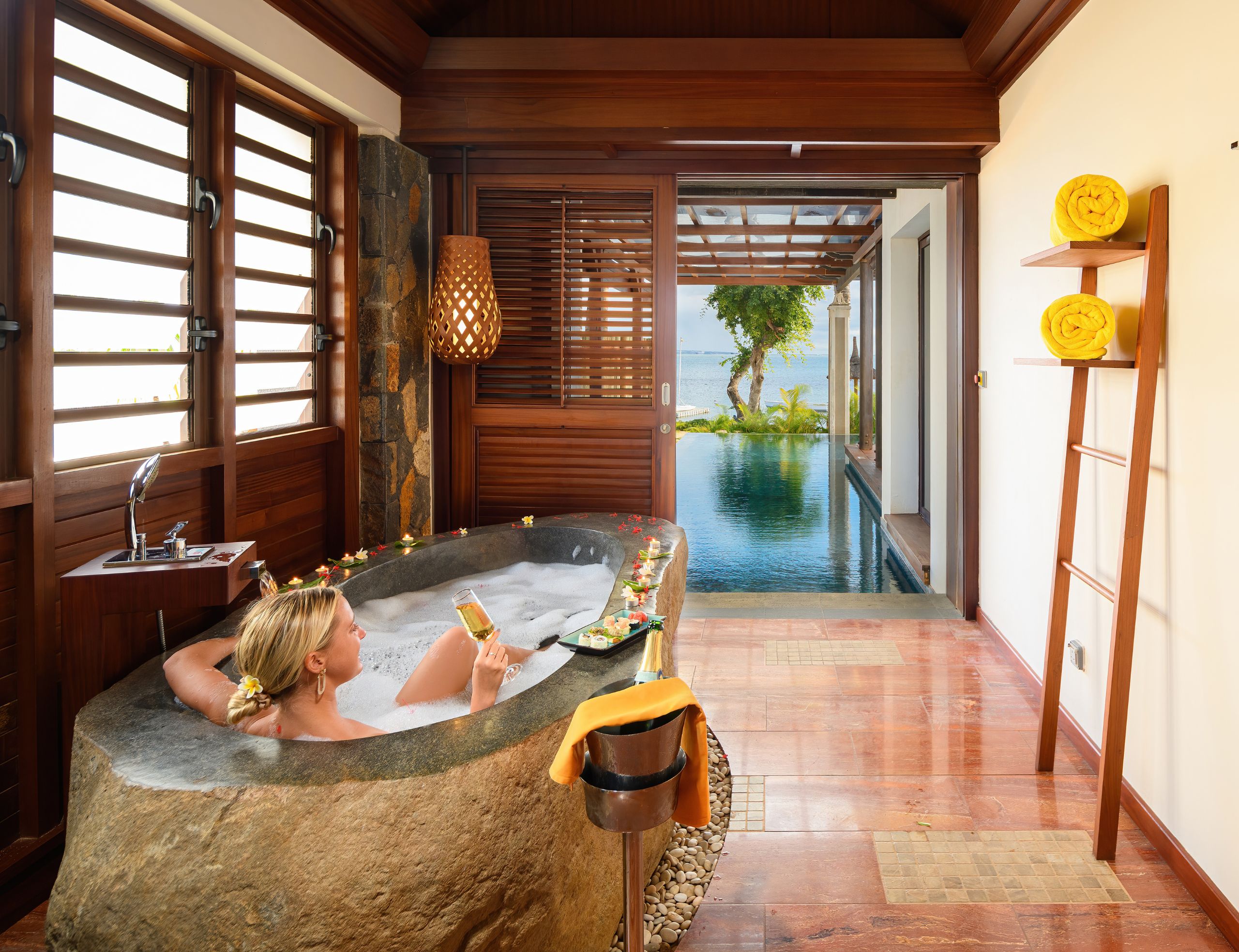
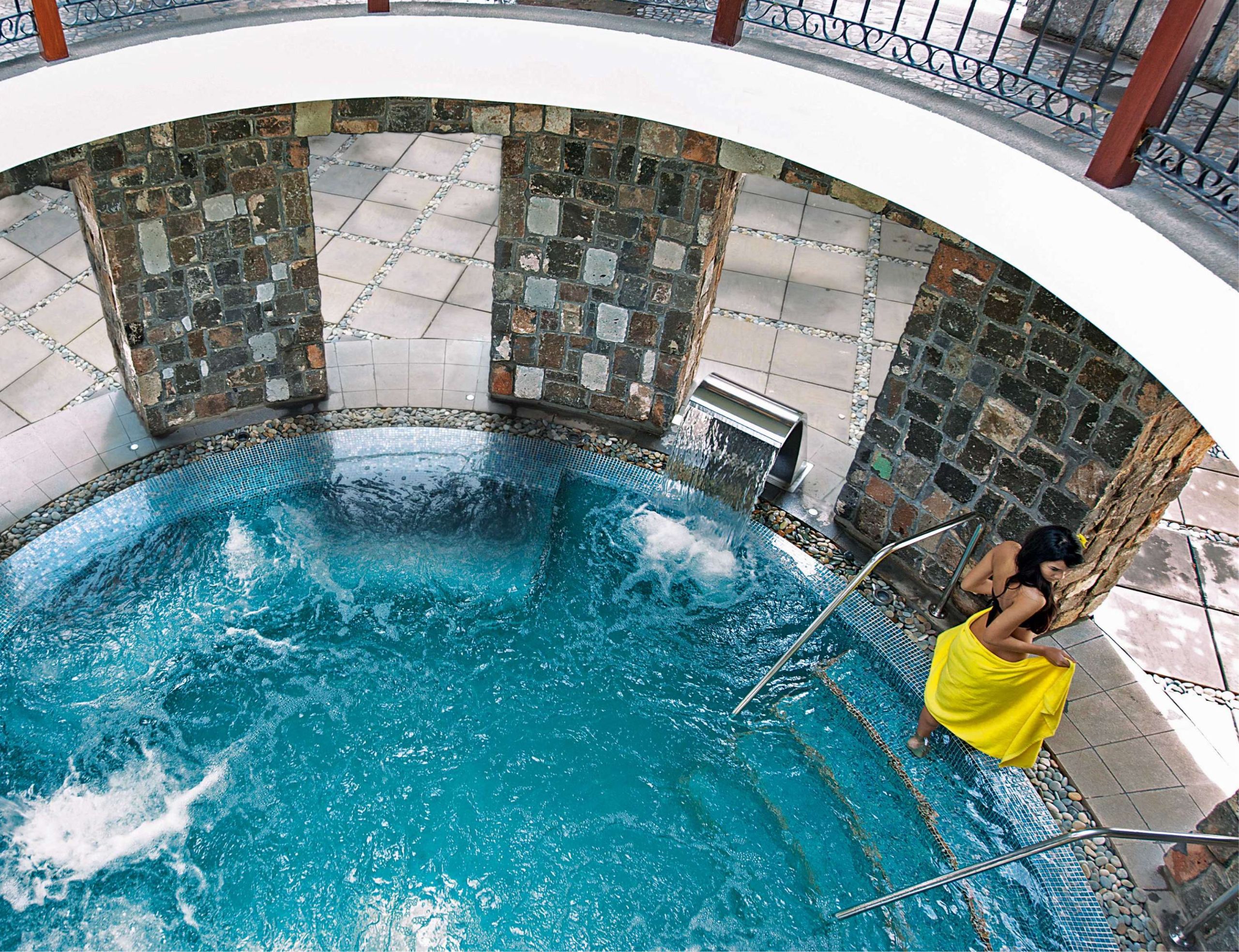
Nestled in a sheltered cove in Turtle Bay, Balaclava, Le Jadis Beach Resort & Wellness is particularly well suited to winter stays, with spacious ocean-view suites featuring private heated pools, alongside selected suites with hammams and jacuzzis for a more cocooned wellness experience. Even when lagoon temperatures feel cooler during the winter months, guests can still enjoy comfortable swims and uninterrupted outdoor relaxation in the privacy of their heated pool. The experience is further complemented by hearty culinary experiences across four restaurants, as well as blissful thermo- and hydro-therapy, and wellness transformations at an award-winning spa.