The beaches of Mauritius are among the island’s greatest natural treasures. Their white sand, turquoise lagoons and tropical scenery attract visitors from around the world every year.
What many travellers do not realise, however, is that maintaining these beautiful coastlines has become an increasingly complex challenge. Coastal erosion is affecting beaches across Mauritius, forcing both public authorities and private properties to find ways of protecting the shoreline for future generations.
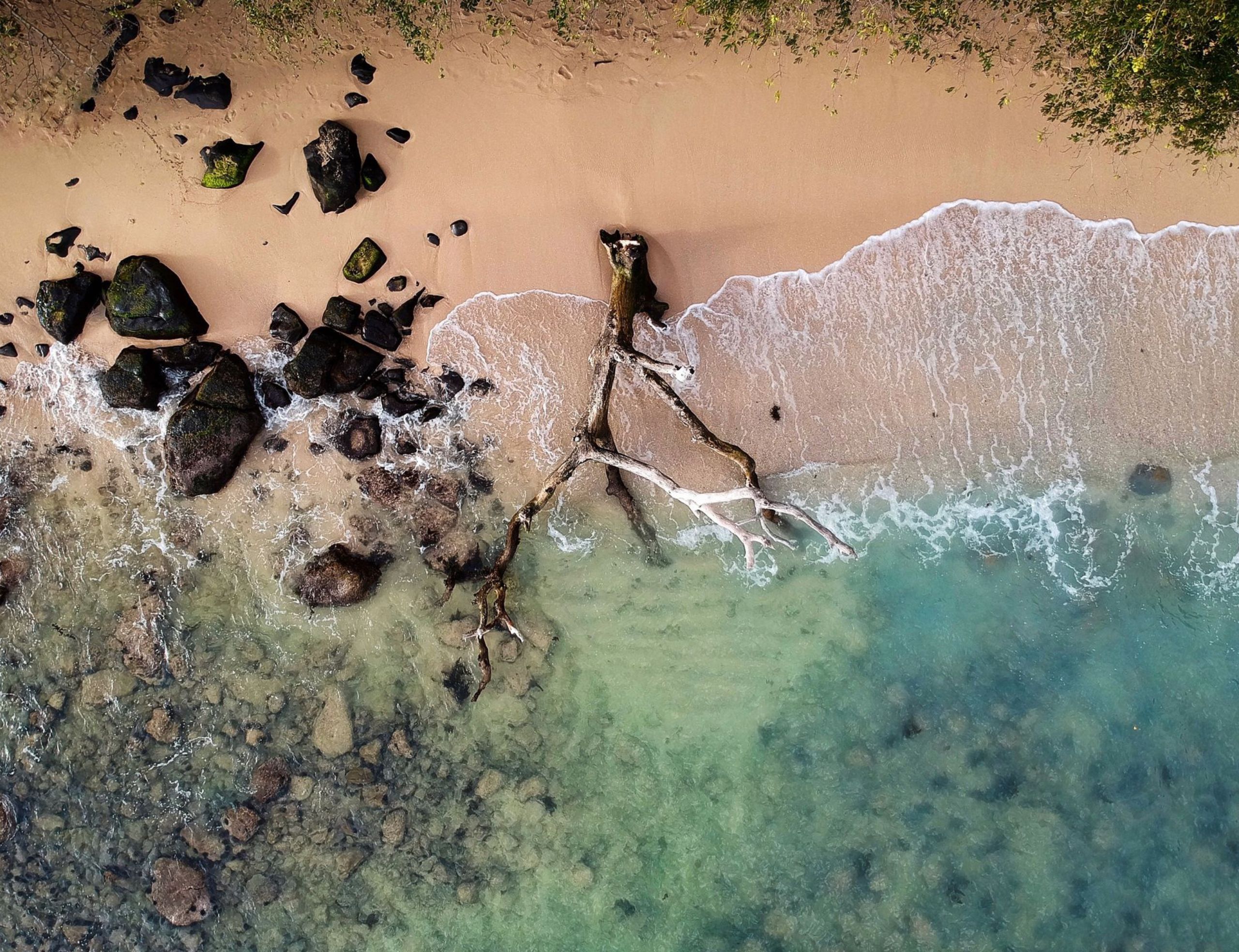
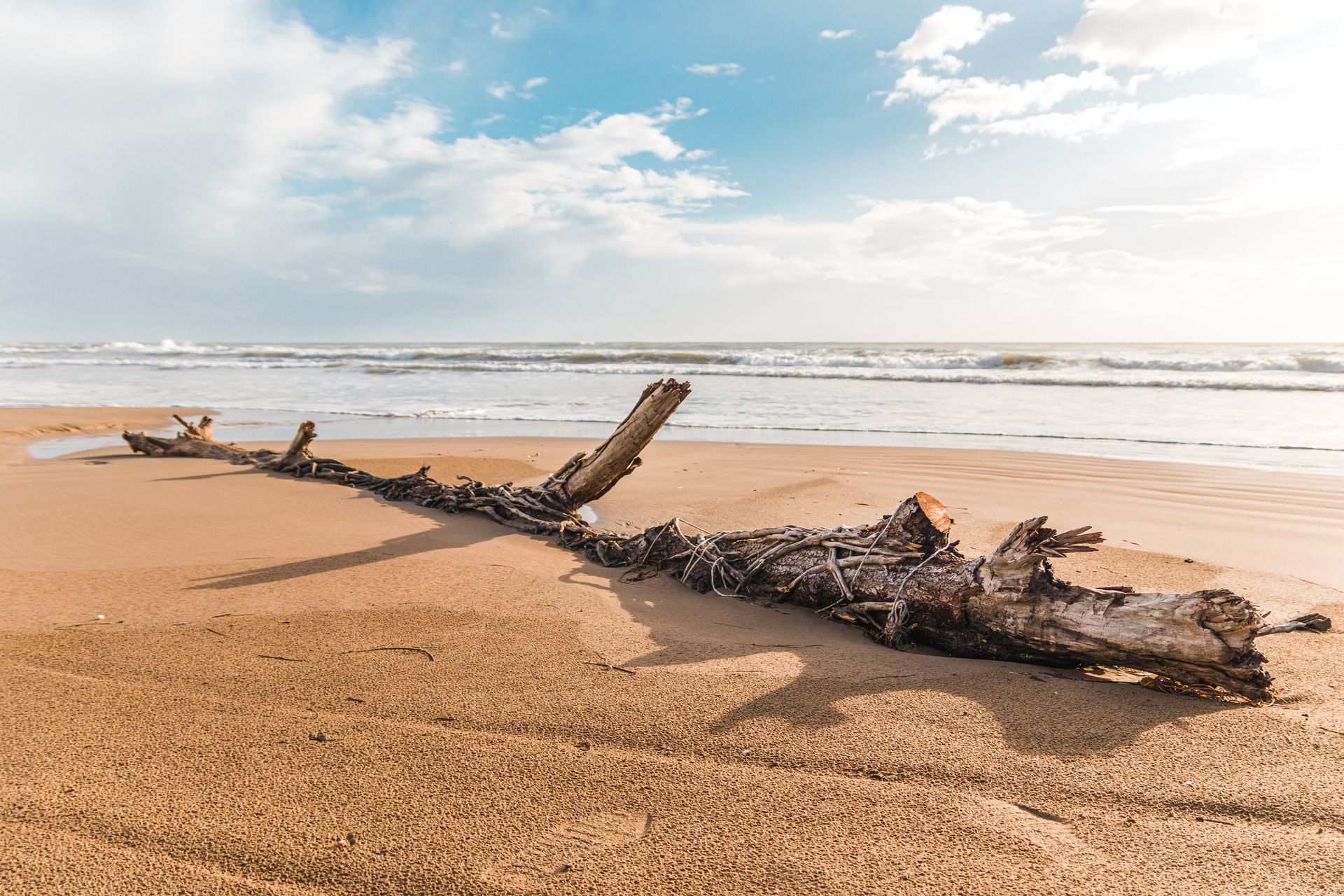
Coastal erosion occurs when waves, currents, storms and natural weather patterns gradually remove sand from a beach faster than it can be naturally replaced.
This is not a new phenomenon. Beaches are constantly changing environments. However, factors such as stronger weather events, changing sea conditions and human activity can accelerate the process.
The result is a gradual reduction in beach width, loss of vegetation and increased vulnerability to future erosion.
For hotels located directly on the shoreline, protecting the beach is essential not only for guest enjoyment but also for environmental preservation.
Many properties invest in beach nourishment programmes, where sand is added to replace what has been lost. While these efforts can improve the appearance of a beach in the short term, they often need to be repeated because newly added sand can easily be washed away during periods of heavy rain or rough sea conditions.
This makes beach replenishment an ongoing and often costly exercise.
Increasingly, attention is turning towards solutions that work alongside natural coastal processes rather than attempting to constantly reshape them.
One of the most effective approaches involves preserving and planting coastal vegetation. Trees and other plants help stabilise sand through their root systems while simultaneously providing shade and enhancing biodiversity.
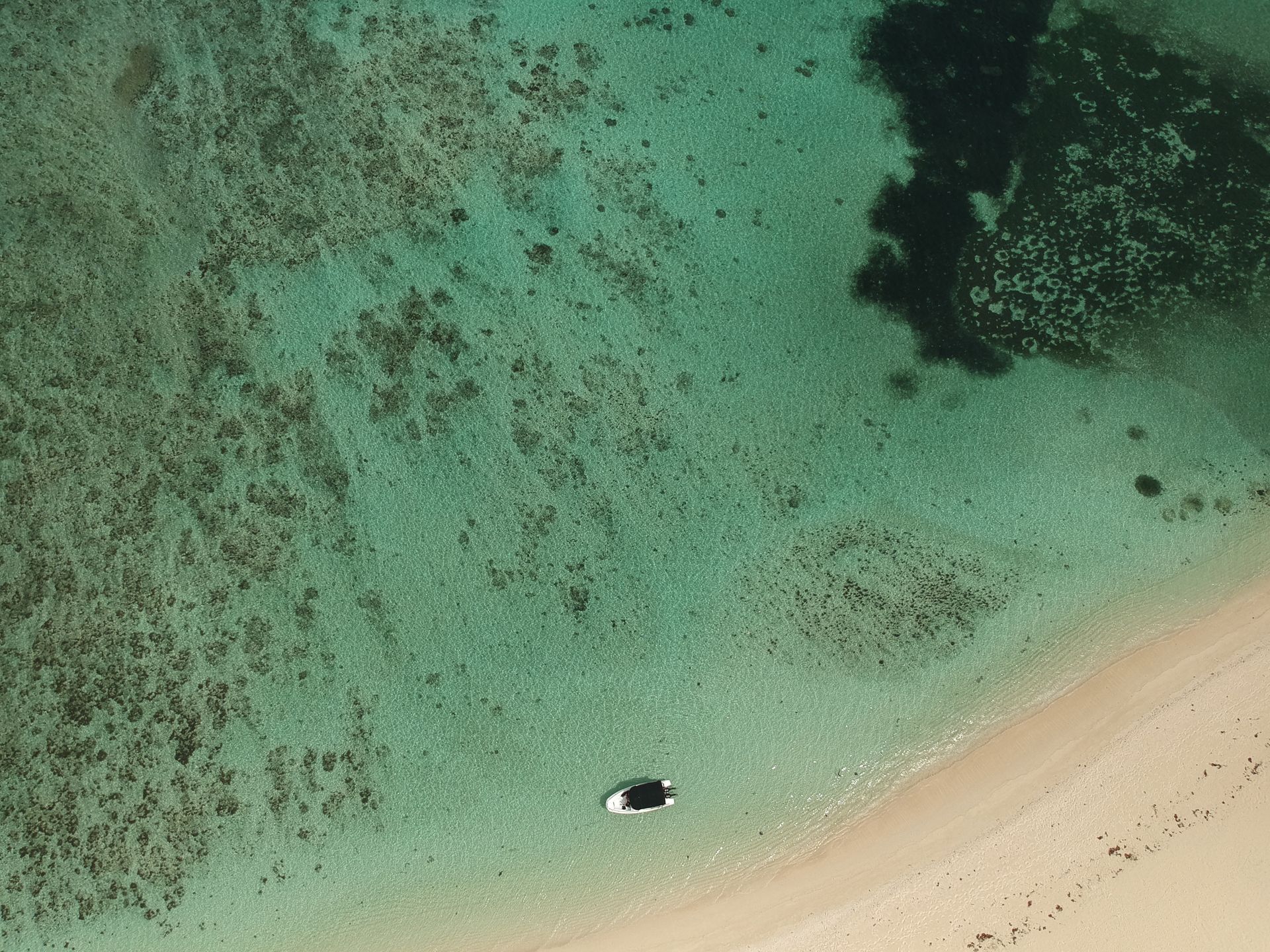
Healthy marine ecosystems also play an important role. Coral formations and natural coastal structures can help reduce wave energy before it reaches the shore, slowing the rate of erosion over time.
The challenge of coastal erosion has encouraged many beachfront properties to reconsider how they interact with the natural environment. Rather than viewing beaches as landscapes that must be constantly reshaped and maintained, there is growing recognition that long-term resilience often comes from working with existing coastal ecosystems.
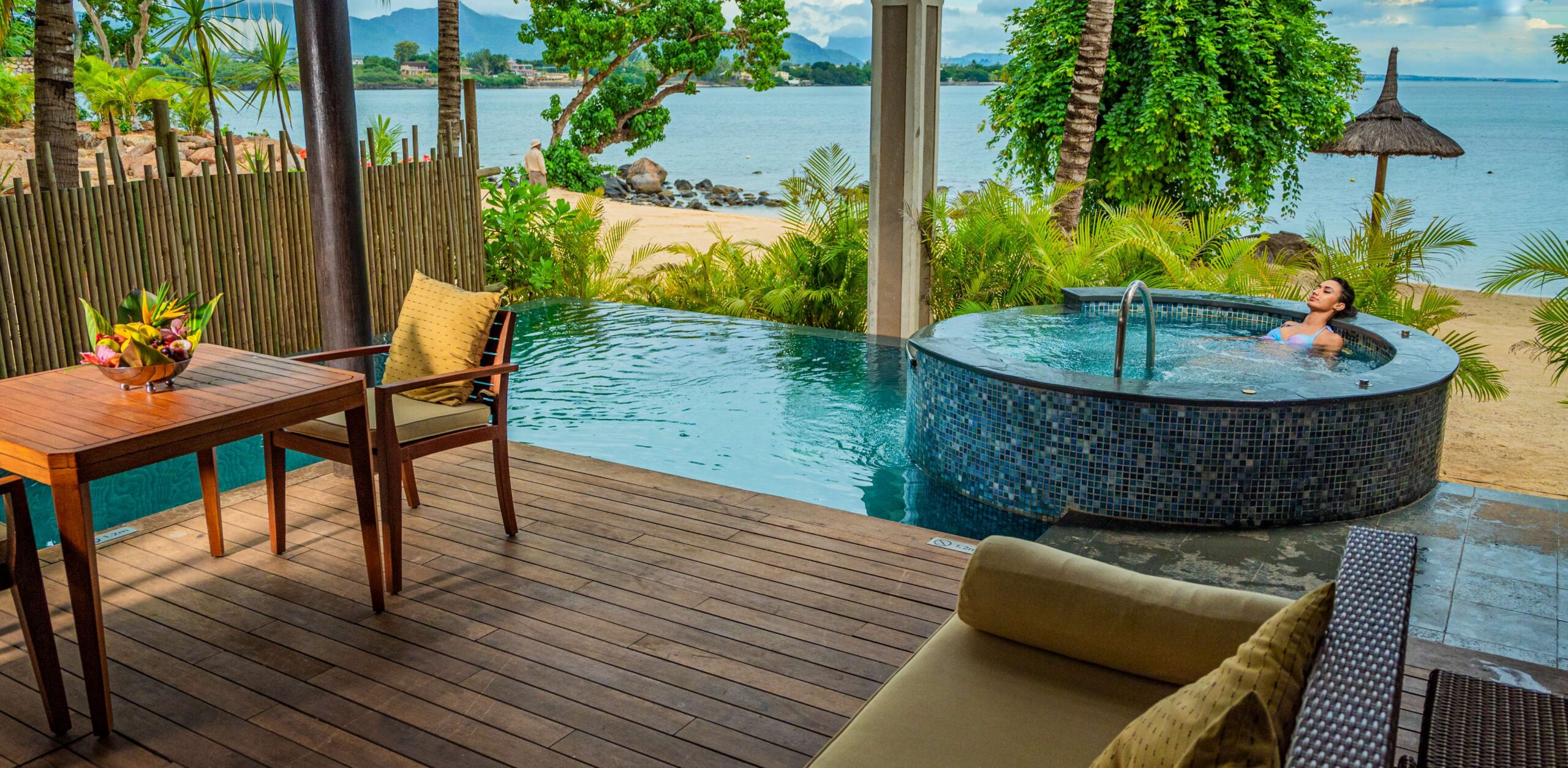
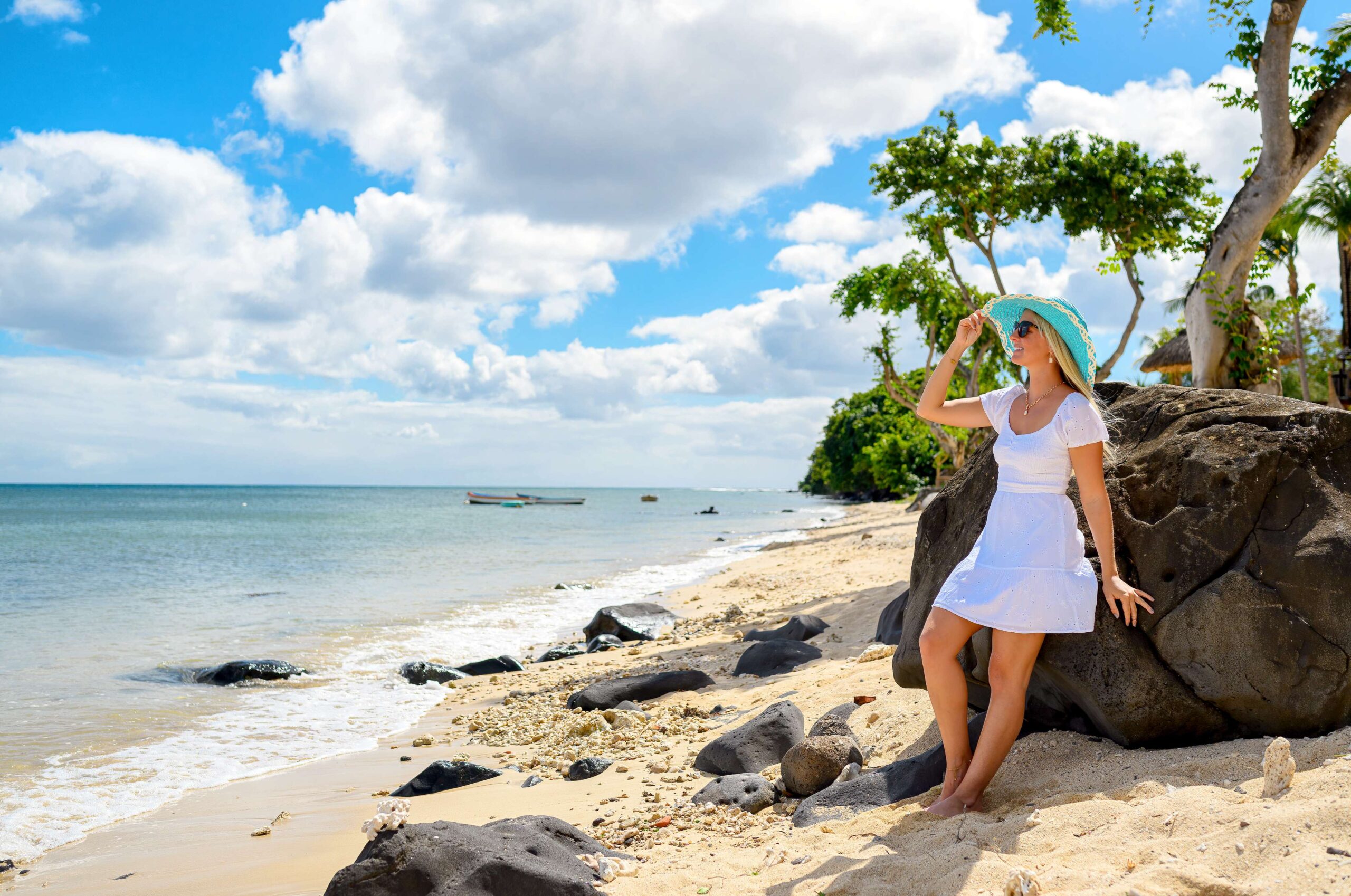
At Le Jadis Beach Resort & Wellness, this philosophy influences the way the beachfront is managed. The shoreline retains many of its natural characteristics, including coral formations that are visible in certain areas of the lagoon. While some destinations may choose to remove such features in pursuit of uninterrupted sandy access, coral structures serve an important ecological function. Acting as natural breakwaters, they help absorb and dissipate wave energy before it reaches the shore, reducing the impact of erosion over time.
The benefits extend beyond shoreline protection. Coral habitats support a diverse range of marine species, contributing to the richness of the lagoon ecosystem. For guests, this often translates into rewarding snorkelling experiences close to shore, where tropical fish and other marine life can frequently be observed in their natural environment.
The resort’s mature coastal trees form another important part of this ecosystem. Beyond providing shade and enhancing the character of the beachfront, their root systems help stabilise the sand and reduce the likelihood of further erosion. Coastal vegetation also creates habitats for local wildlife and contributes to the overall health of the shoreline.
This approach reflects a broader shift in sustainable coastal management. Rather than relying solely on repeated beach replenishment projects, which can be costly and temporary, natural solutions seek to strengthen the systems that have protected coastlines for centuries. While such environments may appear less engineered than some highly manicured beaches, they often provide greater ecological value and long-term resilience.
By preserving natural coastal features wherever possible, Le Jadis aims to balance guest comfort with environmental responsibility, recognising that the future of Mauritius’ beaches depends not only on how they look today, but on how well they can endure for generations to come.
The beaches of Mauritius are not static landscapes. They are living coastal ecosystems that require ongoing care and protection.
As awareness of coastal erosion continues to grow, sustainable solutions are becoming increasingly important. By preserving vegetation, respecting marine ecosystems and working with natural coastal features, hotels and communities can help safeguard these beautiful shorelines for generations to come.
To discover more about the region surrounding our resort, read Why Balaclava is One of Mauritius’ Hidden Gems and Exploring the Wonders of Mauritius. You can also visit the Le Jadis homepage to learn more about our commitment to sustainable hospitality and authentic beachfront experiences.