Mauritius is often celebrated for its turquoise lagoons and white sandy beaches, but its food is equally deserving of attention. Thanks to centuries of cultural exchange, the island has developed one of the most diverse culinary landscapes in the Indian Ocean. African, Indian, Chinese, French and European influences have blended with local ingredients to create a cuisine that is uniquely Mauritian.
Today, travellers can enjoy everything from authentic street food to refined fine dining, while residents increasingly have access to international cuisines that were once difficult to find on the island. Whether you are visiting Mauritius for the first time or looking to explore its gastronomic scene more deeply, understanding its culinary diversity is an essential part of the journey.
Mauritian cuisine reflects the island’s multicultural heritage. Rather than being defined by a single style of cooking, it combines traditions brought by different communities over several centuries.
Among the dishes visitors should experience are:
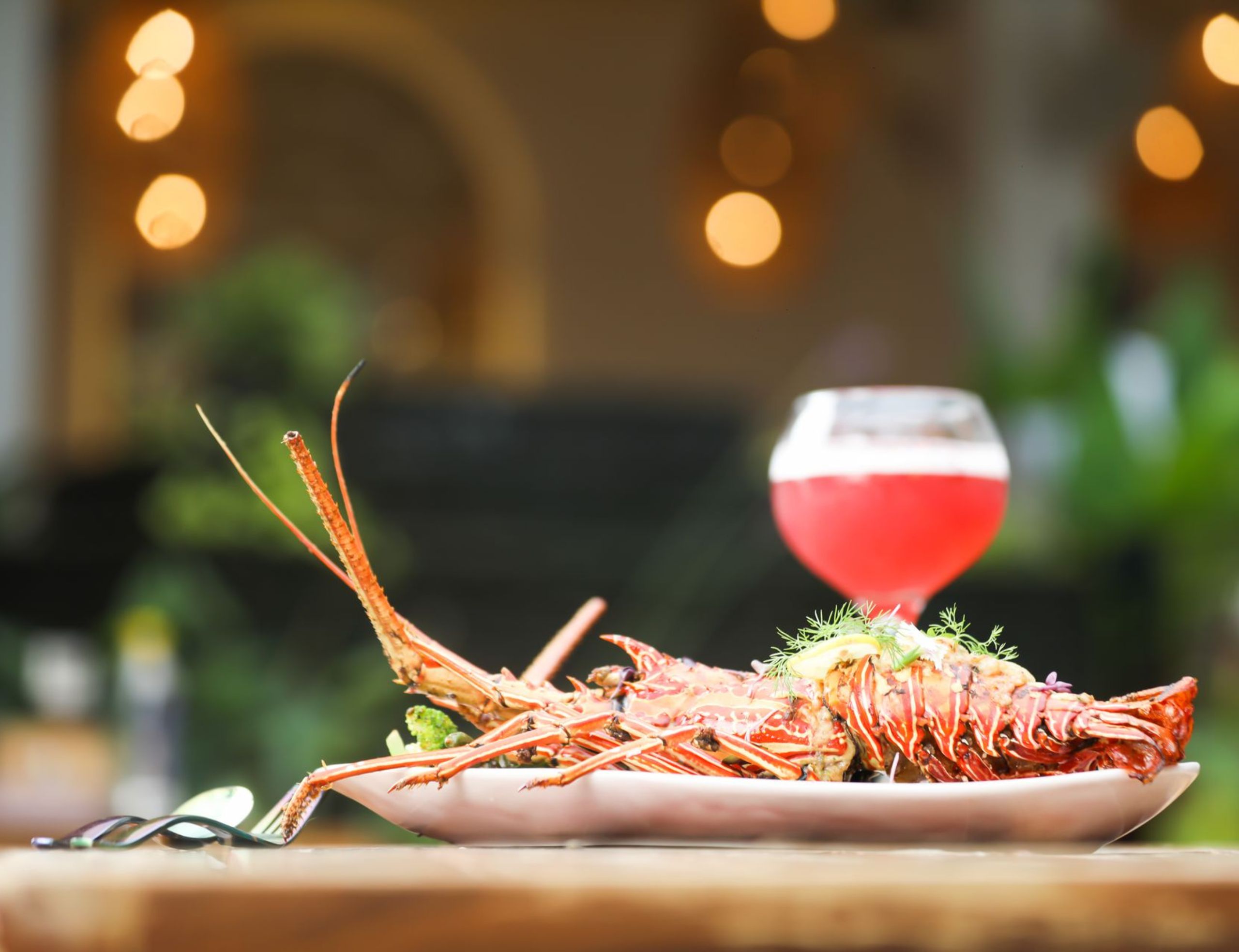
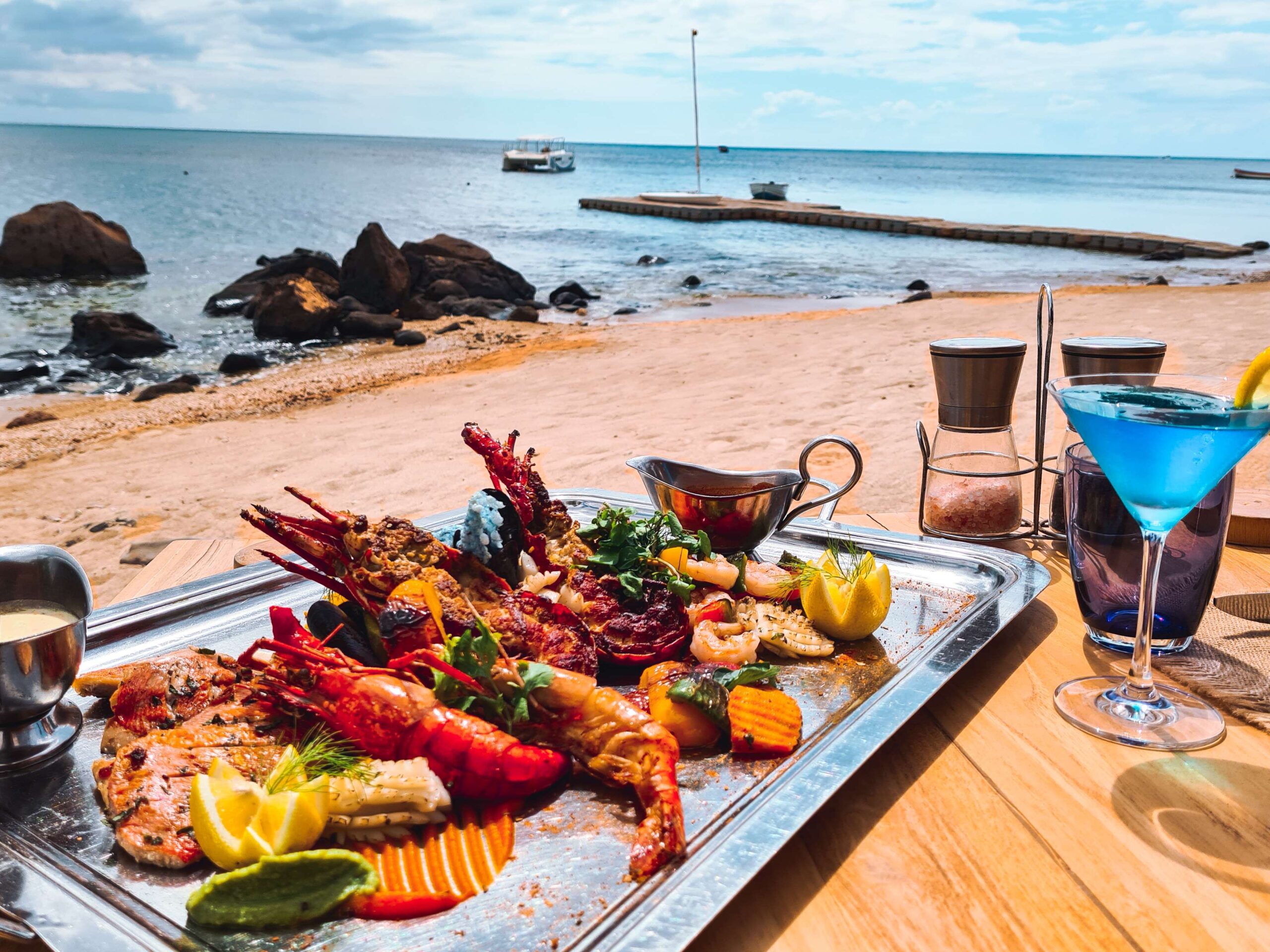
Fresh seafood also plays a central role, with locally caught fish, octopus, prawns and lobster appearing on many menus across the island.
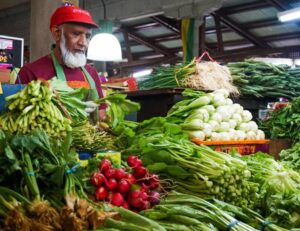
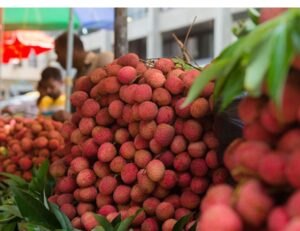
Mauritius has long embraced international influences, and its restaurant scene continues to evolve.
Today, visitors can enjoy authentic Indian, Chinese, French, Italian and Japanese cuisine alongside traditional Mauritian dishes. Luxury resorts and independent restaurants have also introduced Mediterranean, Middle Eastern and contemporary fusion dining, giving guests an exceptional range of culinary experiences.
This diversity means that even during an extended stay, travellers can enjoy a different style of cuisine every day.
In recent years, Mauritians have become increasingly interested in discovering cuisines from around the world. As international travel has become more accessible and global food culture continues to grow through television and social media, demand for authentic culinary experiences has expanded beyond traditional favourites.
However, some cuisines remain relatively uncommon on the island.
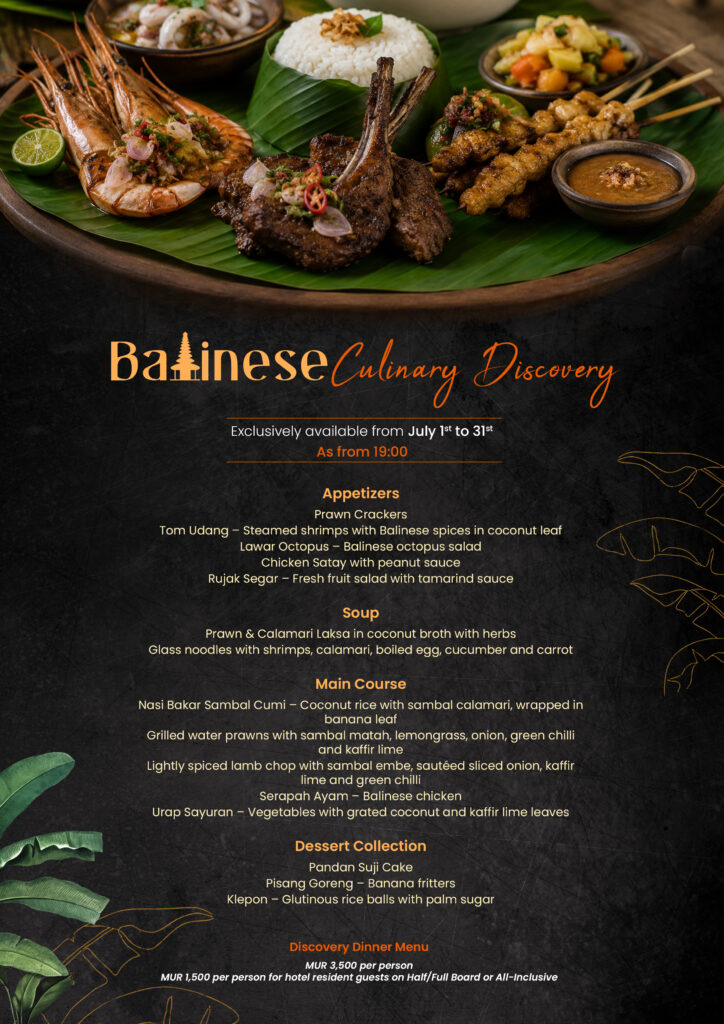
Indonesian cuisine, for example, is still a rarity in Mauritius despite sharing many flavour characteristics that appeal to local palates. Rich spices, aromatic herbs, fresh seafood and the balance of sweetness, tanginess and heat resonate particularly well with Mauritian tastes.
This growing curiosity has encouraged hotels and restaurants to organise themed culinary events, allowing both residents and visitors to discover authentic recipes prepared by experienced chefs.
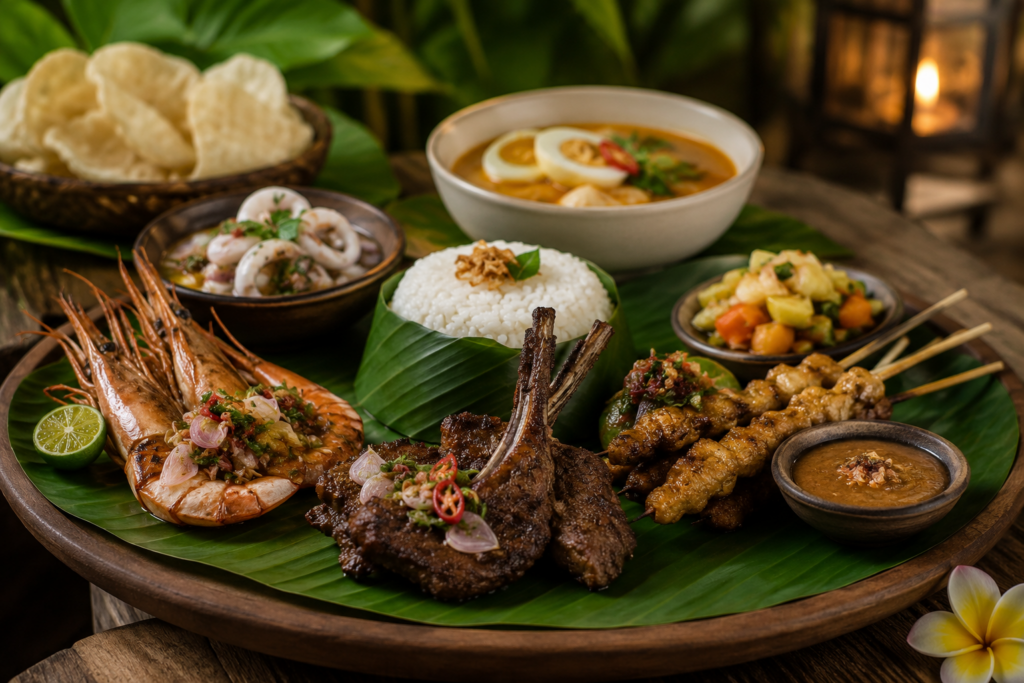
One of the most enjoyable ways to explore new cuisines is through limited-time culinary events that celebrate the traditions of a particular country.
At Le Jadis Beach Resort & Wellness, themed dining experiences have become an opportunity to introduce guests and local diners to international gastronomy in an authentic setting. Previous culinary festivals have shown that Indonesian cuisine is especially well received, with diners appreciating its vibrant spices, aromatic ingredients and distinctive balance of sweet, savoury and tangy flavours.
Events like these not only expand the island’s dining scene but also encourage cultural exchange through food, allowing guests to experience cuisines that remain relatively rare in Mauritius.
Food has always been one of the most authentic ways to understand a destination, and Mauritius offers remarkable culinary diversity for an island of its size. From traditional Creole recipes passed down through generations to contemporary international dining experiences, every meal tells part of the island’s story.
Whether you are sampling local street food, enjoying freshly caught seafood by the ocean or discovering a cuisine you’ve never tried before, Mauritius offers a culinary journey that extends far beyond its famous beaches.