

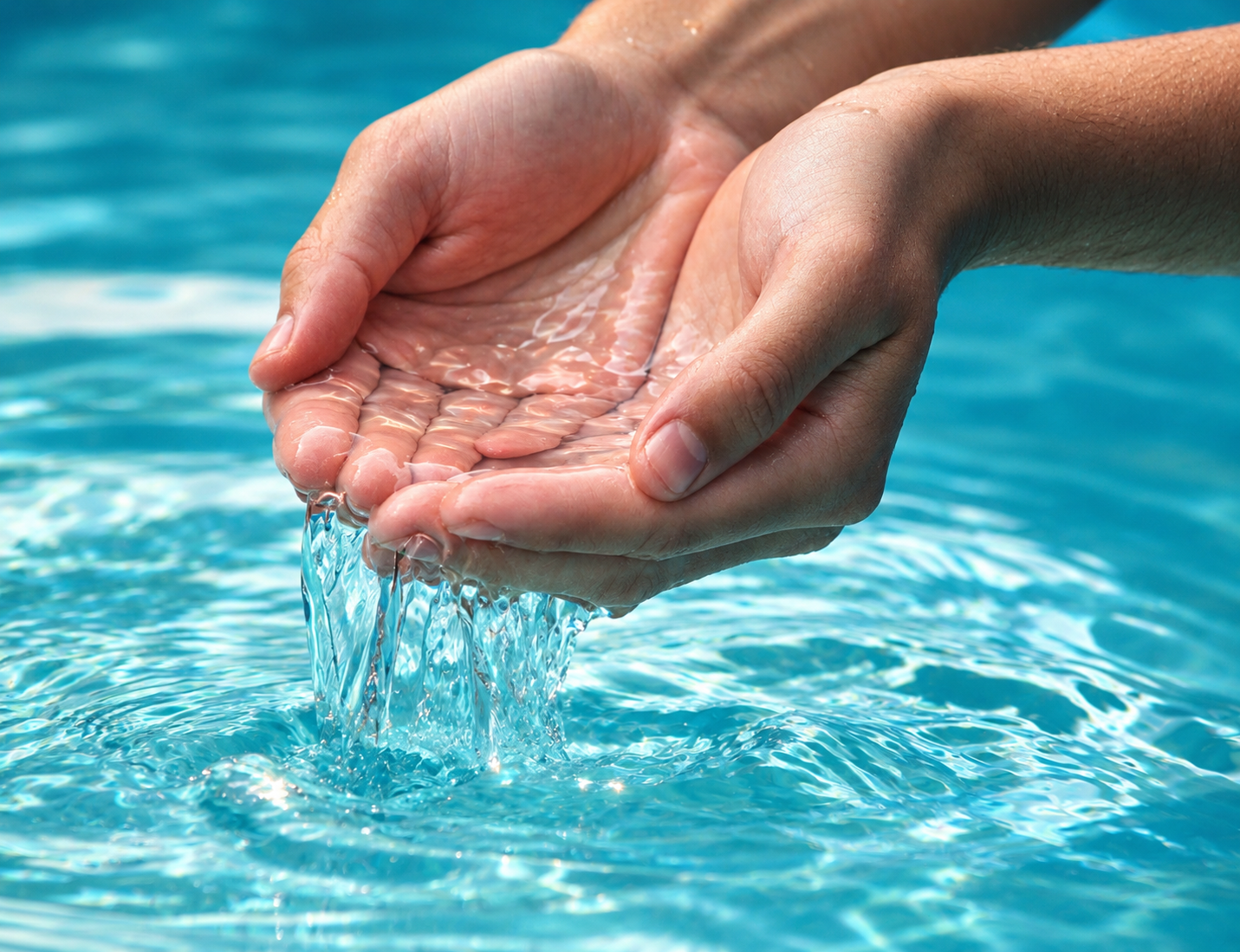
Water is essential to life on an island. It sustains communities, supports agriculture, nourishes ecosystems and makes tourism possible. Yet access to this resource cannot always be taken for granted.
Mauritius is facing ongoing pressure on its water resources, highlighting the importance of careful consumption and more efficient water management. For an island whose natural beauty is central to its appeal, the challenge extends beyond ensuring a reliable supply for households and businesses. It also raises important questions about how water is used, how wastewater is managed and what can be done to reduce unnecessary demand on freshwater resources.
For the hospitality industry, this responsibility is particularly relevant. Hotels require water for bathing, swimming pools, kitchens, laundry and the maintenance of tropical gardens. Managing these needs responsibly requires more than occasional conservation measures; it calls for thoughtful planning, appropriate technology and efficient systems.
At Le Jadis Beach Resort & Wellness, this approach is reflected in environmental initiatives integrated into the property’s design and daily operations. Recognised with the 2025 International Sustainability Award, the resort has developed a range of measures aimed at reducing resource consumption and improving operational efficiency. As Director of Engineering Kaushal Robee explained in an interview with Luxury Lifestyle Awards, sustainability has been a consideration since the resort’s initial conceptualisation, with strategies developed to reduce electricity, water and gas consumption.
The resort’s approach offers a practical example of how environmental responsibility can become part of the infrastructure supporting a luxury guest experience.
At Le Jadis, sustainability is not limited to visible gestures such as reducing plastic waste. It also involves the systems that operate continuously behind the scenes, from water treatment and irrigation to energy management and equipment maintenance.
This philosophy is reflected in the resort’s water conservation initiatives, particularly its reuse of treated wastewater and its approach to landscaping. By making better use of available resources, the resort seeks to reduce unnecessary demand while maintaining the comfort and quality expected by its guests. These extend to solar-powered water heating, energy-efficient equipment, sensor-controlled systems, responsible material choices and the use of technology to monitor operational performance.
Together, these measures demonstrate an approach in which sustainability is considered part of the property’s long-term management rather than a separate activity.
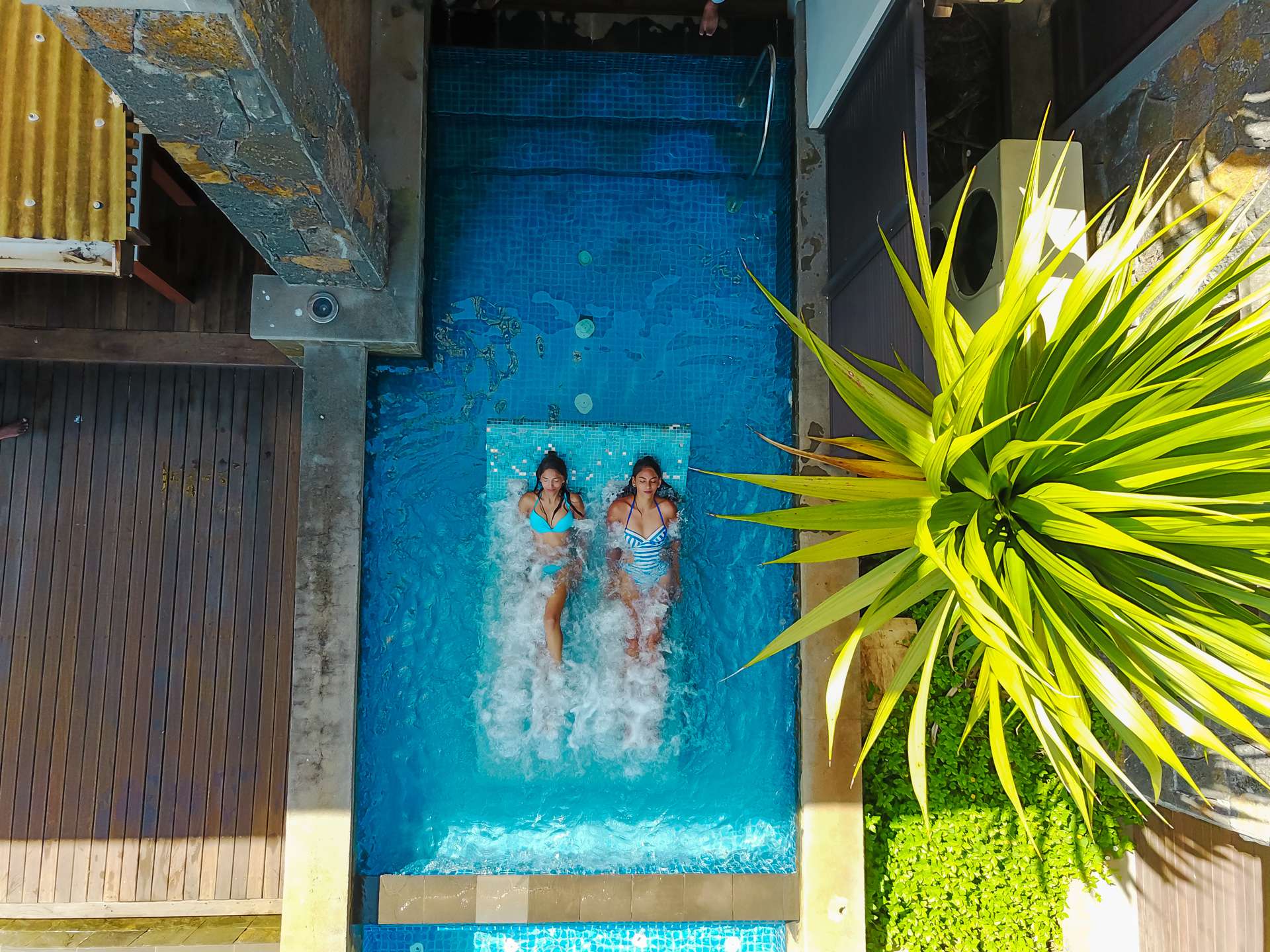
One of Le Jadis’s key water conservation initiatives is the reuse of treated wastewater for garden irrigation.
Through its on-site sewage treatment facility, wastewater is treated before being used for a suitable secondary purpose: maintaining the resort’s landscaped grounds. This reduces the need to rely exclusively on freshwater for irrigation and helps limit the volume of wastewater entering the sewer system.
The principle is straightforward. Water that has already served one purpose may still have value when it is appropriately treated and reused for an application suited to its quality.
Irrigation is particularly relevant in hospitality, where tropical gardens contribute significantly to the landscape and atmosphere of a property. Reusing treated wastewater for this purpose helps reduce demand for freshwater while supporting the maintenance of the resort’s greenery.
The practice also reflects a wider principle of responsible resource management: making more effective use of available resources rather than treating every requirement as a reason to consume additional freshwater.
In the context of Mauritius’s water challenges, such measures are especially meaningful. Although wastewater reuse cannot resolve the island’s wider supply constraints, it can help reduce the demand placed on freshwater resources for non-drinking purposes.
The choice of plants can have a significant influence on irrigation requirements.
At Le Jadis, the landscaping concept incorporates indigenous Mauritian plants, many of which are naturally adapted to the island’s environmental conditions. Once established, these plants generally require less water than species that are less suited to the local climate.
This approach allows the gardens to reflect the character of Mauritius while helping to reduce their ongoing water requirements.
The resort also maintains a natural composting system. Organic material is converted into compost that can be used to support the health of the soil and the maintenance of the grounds. By returning organic matter to the landscape, composting forms part of a more resource-conscious approach to garden care.
The resort’s herb garden offers another practical example. Fresh herbs grown on the property can be used by the culinary team, connecting the landscape with the everyday dining experience while making productive use of the available space.
These initiatives may appear modest individually, but they form part of a broader approach in which landscaping, food production and resource management are considered together.
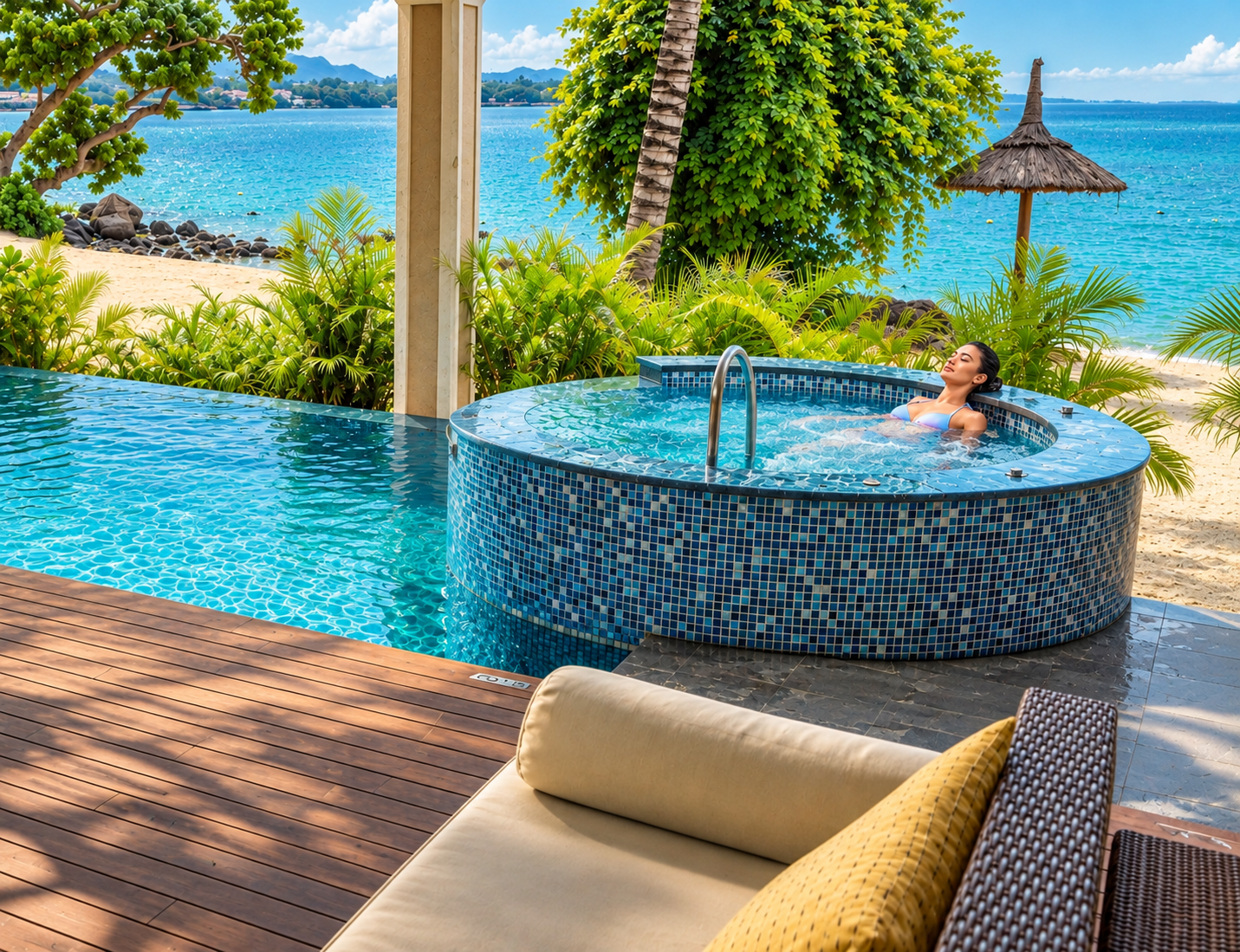
The resort also operates an on-site reverse-osmosis water treatment and bottling facility, allowing purified drinking water to be produced at the resort and served in reusable glass bottles.
Reverse osmosis is a water purification process in which pressure forces water through a specialised membrane, separating it from many dissolved salts and impurities. The resulting purified water can then be further filtered before bottling.
Producing drinking water on site reduces reliance on commercially bottled water and the packaging associated with conventional bottled-water supply. Serving the water in reusable glass bottles further helps reduce single-use plastic waste.
The facility illustrates how technology can support more responsible resource management within hospitality. Water treatment addresses the need for a reliable source of drinking water, while reusable bottles help reduce the material waste associated with serving it.
It is important, however, to distinguish water production from water conservation. Reverse osmosis does not, by itself, reduce overall water demand; its environmental value depends on the water source, energy requirements, treatment efficiency and management of the resulting water streams. At Le Jadis, the facility forms one element of a wider sustainability approach that also includes wastewater reuse and water-conscious landscaping.
Effective water management depends not only on the systems a property installs, but also on how those systems are monitored, maintained and operated.
In his Luxury Lifestyle Awards interview, Kaushal Robee highlighted the importance of engineering technology in identifying inefficiencies and improving resource use. Equipment such as water pumps, heat pumps, chillers and cold rooms can be connected to monitoring systems that help the engineering team track performance and identify irregularities.
The resort also uses engineering maintenance software to plan preventive and predictive maintenance, record equipment data and inform decisions about operational efficiency. Regular energy audits provide further insight into building performance.
Although these measures cover more than water alone, they are relevant to responsible water management. Pumps and treatment equipment must operate efficiently to perform their intended functions without unnecessary energy consumption or avoidable losses. Appropriate maintenance can also help preserve equipment performance over time.
The same attention to efficiency is reflected in the resort’s use of LED lighting, sensor-controlled systems and efforts to improve air-conditioning performance. These initiatives help reduce resource consumption across the property and reinforce the principle that sustainability depends on the combined performance of many operational systems.
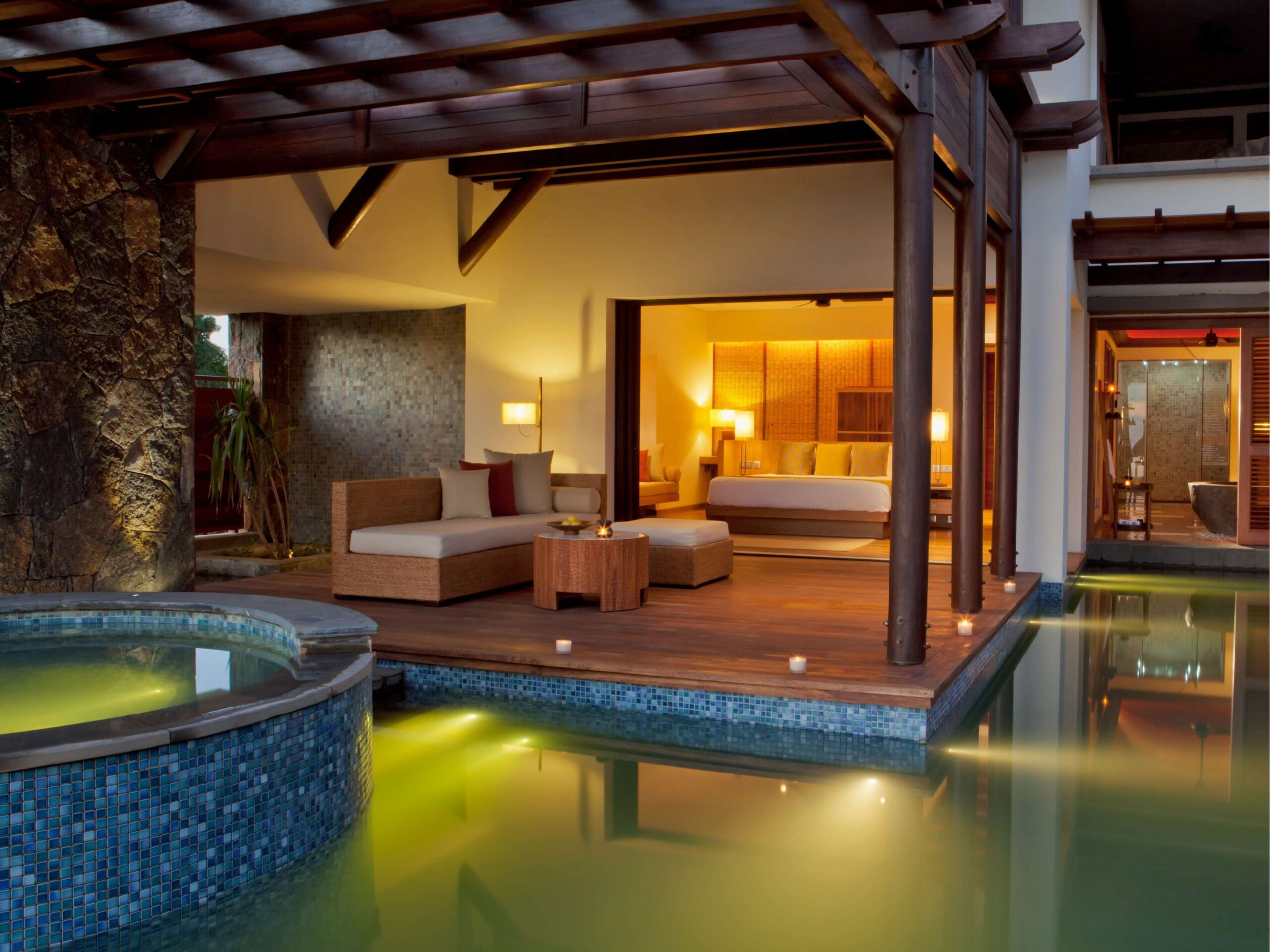
Water conservation is one part of a wider approach to resource efficiency at Le Jadis.
The resort uses solar water heating for its suites and is progressively extending the use of solar technology across its facilities. Solar panels heat water that is stored in thermal tanks for later use, reducing reliance on conventional energy sources for this purpose.
While solar water heating does not directly reduce the volume of water consumed, it lowers the energy required to provide hot water. This is an important distinction: responsible hospitality involves managing both water use and the energy needed to operate water-related systems.
Other engineering measures support this objective. The resort uses energy-efficient lighting, and variable speed drives on pumps help regulate motor operation according to demand. Double-glazed openings are also being installed to reduce heat transfer, while improvements to air-conditioning systems aim to increase efficiency.
These initiatives complement the resort’s water-related measures by addressing the broader environmental footprint of its daily operations.
Sustainability is also influenced by the materials used to construct and maintain a property.
Le Jadis incorporates natural materials such as hand-cut stone, marble, rattan and solid timber. Beyond their aesthetic qualities, these materials have been selected in part for their durability and longevity.
Materials that remain functional over long periods can help reduce the need for frequent replacement and refurbishment, along with the resources and waste associated with these activities.
The resort’s sugarcane-thatch roofing also serves a practical purpose beyond its distinctive appearance. The roofing helps reduce heat transfer into the building, lowering the cooling demand placed on air-conditioning systems.
These examples illustrate how sustainability can be considered at different stages of a property’s life, from initial design and material selection to every
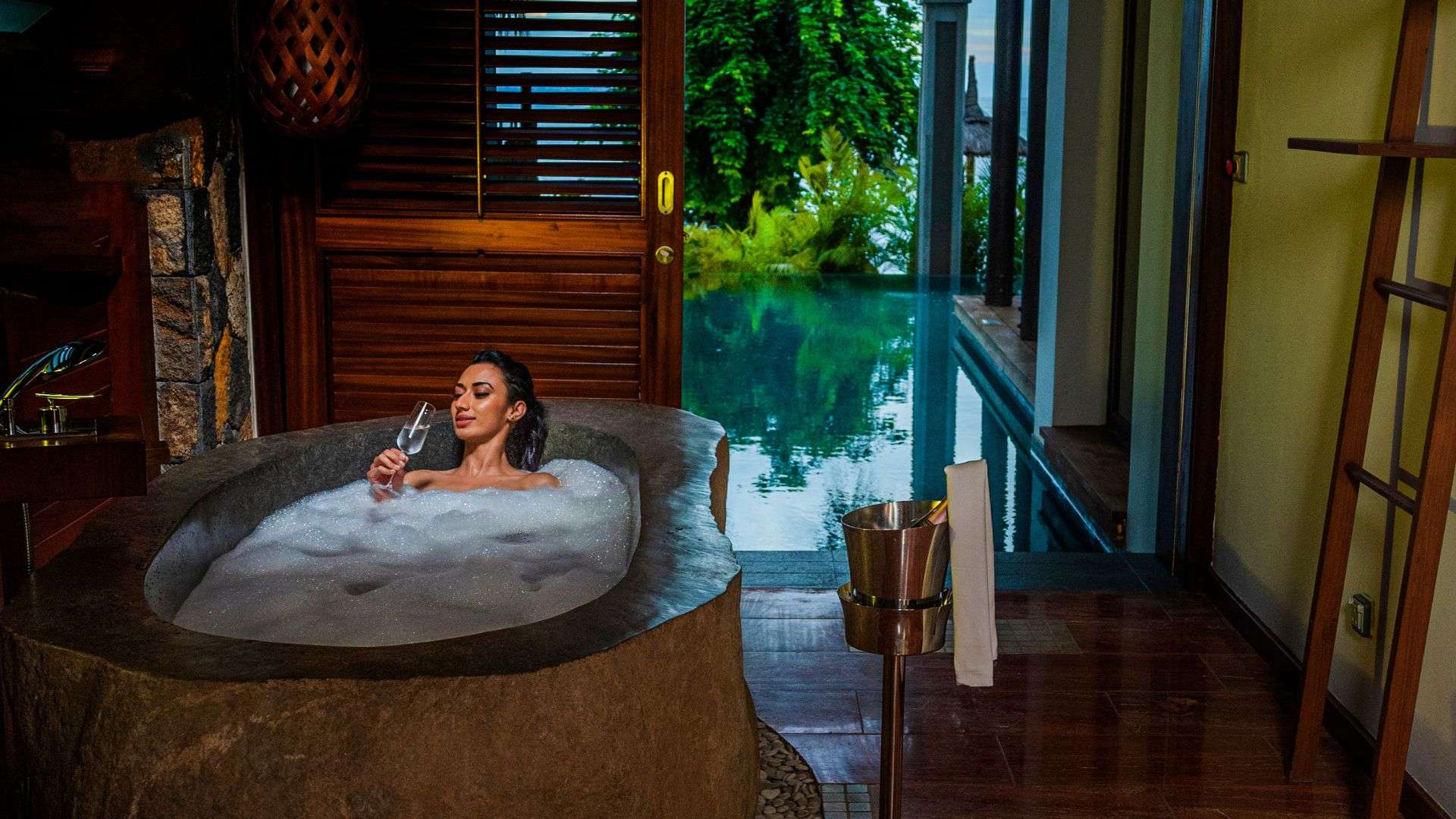
Luxury hospitality requires careful attention to comfort, service and the quality of the surroundings. Environmental responsibility must therefore be reflected in the way a resort operates, rather than relying solely on asking guests to make compromises.
At Le Jadis, water reuse and water-conscious landscaping help address irrigation requirements, while the on-site water treatment and bottling facility provides purified drinking water in reusable glass bottles. Solar water heating and efficient engineering systems further support the resort’s efforts to manage its resources responsibly.
The resort’s pools also incorporate natural sanitisation systems designed to minimise reliance on conventional pool-treatment chemicals. Although pool sanitisation is distinct from water conservation, it forms part of the wider effort to reduce the environmental impact of resort operations.
These measures are integrated into the property’s infrastructure, allowing environmental considerations to remain part of the operational process while guests continue to enjoy the facilities and experiences associated with their stay.
The current water challenges facing Mauritius are a reminder that freshwater resources require careful management across every sector of the economy.
Tourism depends on the natural environment in many ways. Visitors are drawn to the island for its coastline, tropical landscapes and distinctive ecosystems. Protecting these assets means considering how hospitality operations use water, energy and materials, as well as how they interact with their surroundings.
For hotels and resorts, sustainability is therefore not limited to reducing plastic waste or introducing occasional environmental campaigns. It also involves examining the systems that operate continuously, from wastewater treatment and irrigation to water production, equipment maintenance and energy use.
No single property can resolve a national water shortage. However, responsible practices can help reduce unnecessary consumption, make better use of available resources and establish more sustainable operating habits.
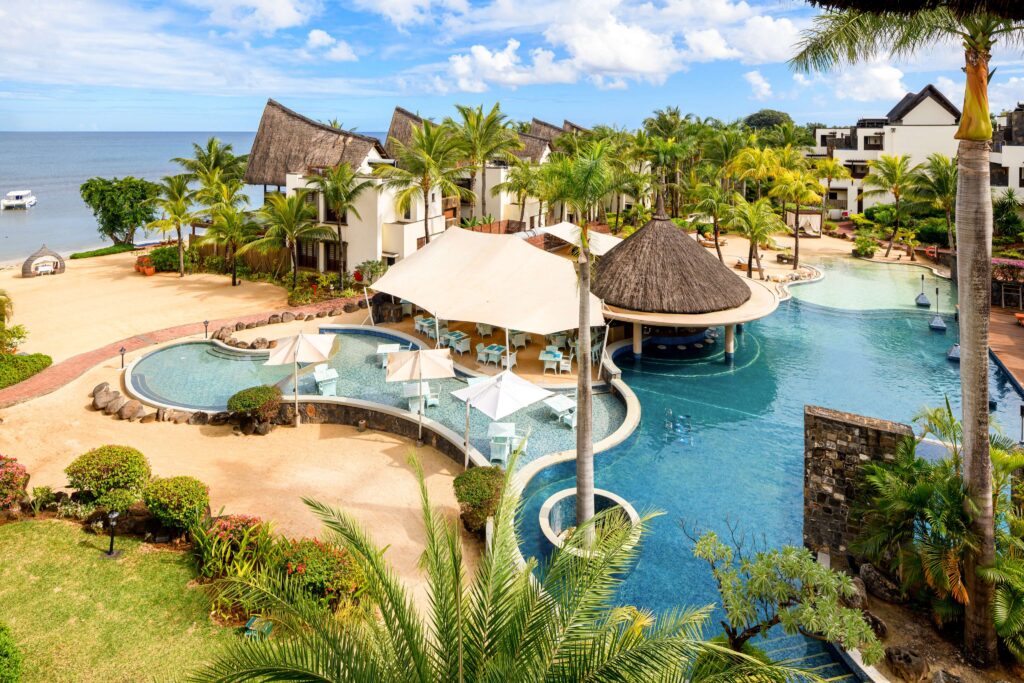
At Le Jadis Beach Resort & Wellness, sustainability is an ongoing process shaped by engineering, operational decisions and respect for the island’s natural environment.
Treated wastewater is reused for garden irrigation. Indigenous plants help reduce landscaping water requirements. An on-site reverse-osmosis facility produces purified drinking water for service in reusable glass bottles. Solar water heating and more efficient engineering systems support the responsible use of energy and other resources.
These initiatives cannot remove the wider challenges facing Mauritius, but they demonstrate how thoughtful design and consistent operational management can contribute to more responsible hospitality.
As the island continues to address water scarcity, water management will remain an important consideration for businesses, communities and visitors alike. The long-term task is to ensure that tourism continues to support the island’s economy while respecting the natural resources on which its future depends.
For Le Jadis, building for tomorrow means looking beyond the immediate guest experience and considering how the resort operates, how resources are used and what can be preserved for the years ahead.



| Cookie | Duration | Description |
|---|---|---|
| cookielawinfo-checkbox-analytics | 11 months | This cookie is set by GDPR Cookie Consent plugin. The cookie is used to store the user consent for the cookies in the category "Analytics". |
| cookielawinfo-checkbox-functional | 11 months | The cookie is set by GDPR cookie consent to record the user consent for the cookies in the category "Functional". |
| cookielawinfo-checkbox-necessary | 11 months | This cookie is set by GDPR Cookie Consent plugin. The cookies is used to store the user consent for the cookies in the category "Necessary". |
| cookielawinfo-checkbox-others | 11 months | This cookie is set by GDPR Cookie Consent plugin. The cookie is used to store the user consent for the cookies in the category "Other. |
| cookielawinfo-checkbox-performance | 11 months | This cookie is set by GDPR Cookie Consent plugin. The cookie is used to store the user consent for the cookies in the category "Performance". |
| viewed_cookie_policy | 11 months | The cookie is set by the GDPR Cookie Consent plugin and is used to store whether or not user has consented to the use of cookies. It does not store any personal data. |
