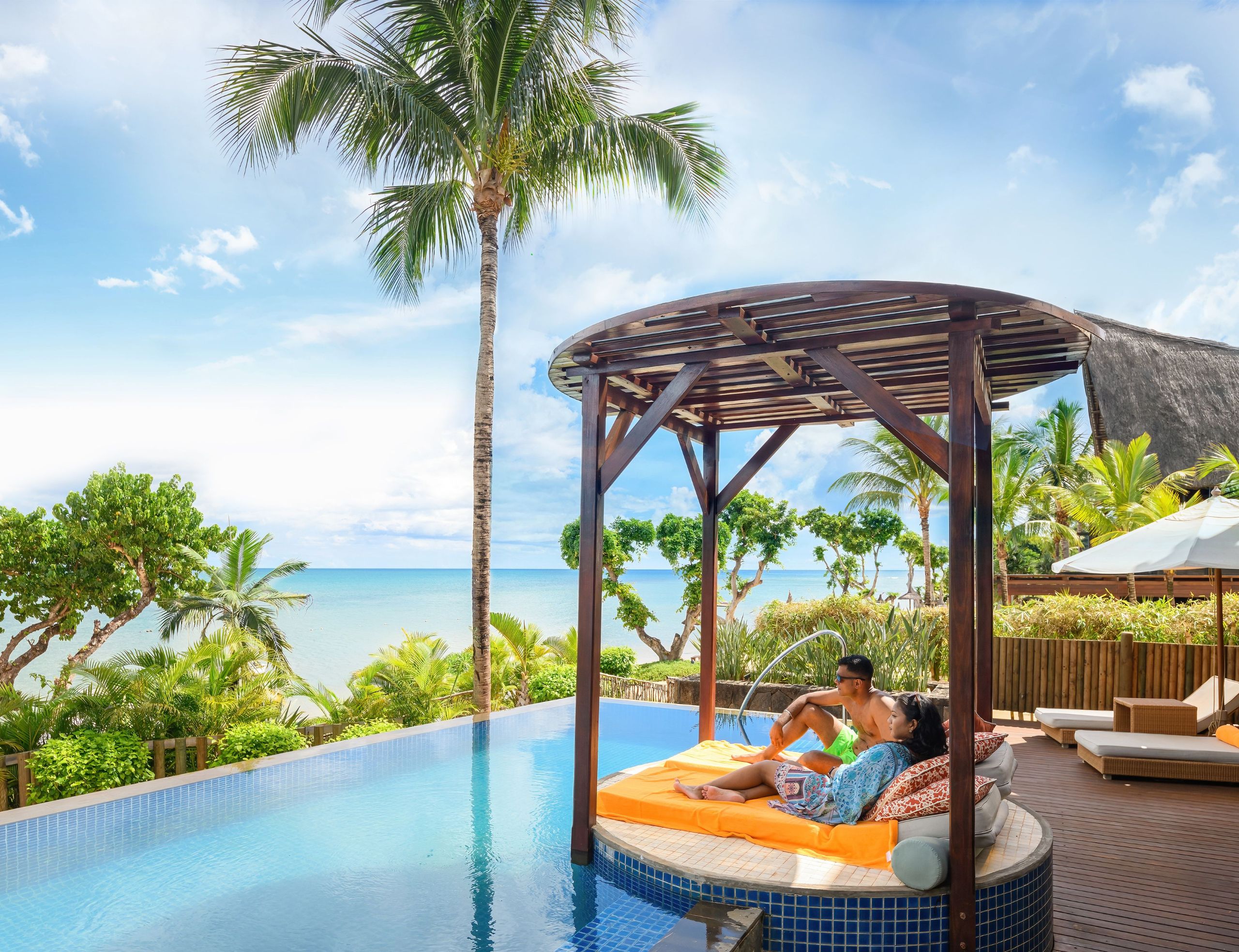
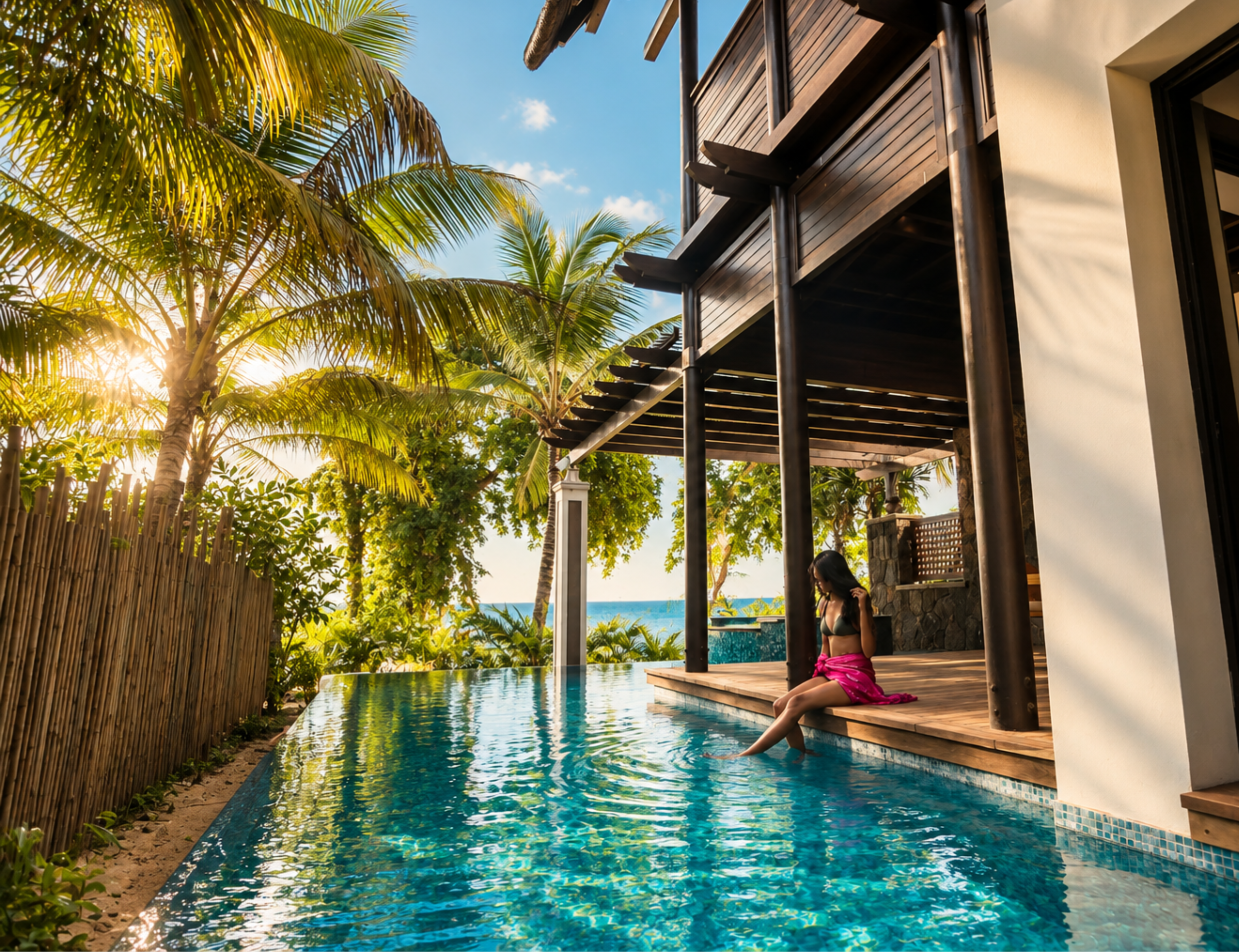
Mauritius is known for its welcoming culture, multicultural society and established tourism industry. Recent events have understandably raised questions among travellers planning their holidays or preparing to visit the island. According to the Mauritius Tourism Promotion Authority’s update of 15 October 2026, the unrest reported in recent days was localised in specific residential areas, authorities had restored calm in the affected areas, and no tourists had been affected. The same update confirmed that the island’s airport, flights, hotels, resorts and scheduled excursions were operating normally at that time.
The situation can evolve, so visitors should continue to consult official travel advice and follow guidance from local authorities, their tour operators and their accommodation providers. Travellers are also advised to avoid demonstrations and large public gatherings.
Beyond the immediate headlines, understanding the everyday experience of travelling in Mauritius can help visitors feel more prepared. From the island’s culture of hospitality to the security measures found in established hotels and the precautions worth taking when exploring its beaches and towns, a few practical considerations can make a stay more comfortable.
One of Mauritius’ defining characteristics is its multicultural society. Communities with different cultural, religious and linguistic backgrounds have shaped the island’s identity over generations. This diversity is reflected in its food, festivals, traditions and everyday social life.
For visitors, this often translates into a warm and welcoming experience. Hospitality is an important part of the tourism industry, while local businesses, guides, drivers and hotel teams regularly assist travellers in navigating the island and experiencing its culture.
As in any destination, individual experiences may vary. Visitors can feel comfortable interacting with local communities while remaining mindful of cultural customs and showing the same courtesy they would expect at home.
Mauritius welcomes travellers from a wide range of countries and backgrounds. Its multicultural character is an important part of the visitor experience, allowing guests to encounter different traditions within a relatively small island.
Established hotels and resorts generally have security procedures designed to protect guests, staff and property. Depending on the property, these may include security personnel, monitored access points, reception teams available around the clock, surveillance systems in appropriate common areas and procedures for responding to emergencies.
Hotels also provide a useful point of contact for visitors who need assistance. Reception and guest-relations teams can advise on transport arrangements, reputable excursion providers, local conditions and the appropriate steps to take if a concern arises.
At Le Jadis Beach Resort & Wellness, in Balaclava on the north-west coast of Mauritius, guests can approach the hotel team for assistance and practical guidance during their stay. More broadly, travellers choosing accommodation should review the property’s facilities, location and security arrangements, and consider booking through an established provider.
It is important to remember that security arrangements vary between properties. Travellers should still take ordinary precautions, including keeping valuables secure, locking their accommodation when leaving and using the property’s safe for passports and other important documents where available.
Mauritius has established police and emergency services, including a Tourist Police unit and the National Coast Guard. These services have responsibilities that include public safety, assistance to visitors and maritime safety.
If an incident occurs, visitors should contact the police or the relevant emergency service rather than attempting to resolve a potentially dangerous situation themselves. Hotel teams and tour operators can also help guests identify the appropriate service and communicate with local authorities when necessary.
Useful emergency contacts include:
Visitors should save the relevant numbers on their phones and keep their accommodation’s contact details readily available. For non-emergency concerns, they can seek guidance from their hotel or contact the nearest police station.
During periods of demonstrations or other public disturbances, it is particularly important to follow official instructions, avoid affected areas and check travel arrangements before setting out. Police and emergency services should be contacted promptly when assistance is required.
Exploring beyond the hotel is one of the most rewarding parts of a visit to Mauritius. Markets, historic sites, coastal villages, restaurants and local shops offer opportunities to experience the island’s culture and everyday life.
In busy public places, visitors should take the same precautions they would in other popular tourist destinations. Keep bags and valuables secure, remain aware of your surroundings and avoid leaving personal belongings unattended.
When shopping at artisan markets or buying souvenirs, it is sensible to check prices before purchasing, clarify what is included in a quoted price and agree on the cost of a service before accepting it. Bargaining may be part of the experience in some markets, while other vendors use fixed prices. A polite question can usually clarify the arrangement.
For transport and excursions, use established operators and confirm the details of a booking before departure. When arranging boat trips or water sports, check that the operator is appropriately licensed and that suitable safety equipment is available.
These are straightforward travel habits rather than reasons to avoid exploring. With a little preparation, visitors can enjoy local markets, discover Mauritian cuisine and meet the people who contribute to the island’s distinctive character.
Beyond the Beach: Exploring the Wonders of Mauritius
Mauritius is famous for its lagoons, coral reefs and beaches, but sea conditions vary from one location to another. A sheltered lagoon may offer calm swimming conditions, while an exposed coastline can experience strong waves, currents and changing weather.
Visitors should therefore assess the conditions at the particular beach they intend to visit rather than assume that every stretch of water is suitable for swimming.
A few simple precautions are especially important:
Check local conditions before entering the water. Ask hotel staff, lifeguards or local authorities about currents, waves and any temporary warnings.
Swim in designated or supervised areas where available. Do not assume that lifeguards are present at every public beach.
Respect warning signs and instructions. If conditions are rough or swimming is prohibited, remain out of the water.
Never underestimate currents. Avoid swimming far from shore, and do not swim alone or after consuming alcohol.
Supervise children continuously. Even calm, shallow water can present a danger to young children.
Choose licensed water-sports operators. For boat trips and activities beyond the lagoon, check that the operator carries appropriate safety equipment, including life jackets.
Shark encounters are a subject of concern for some visitors, but beach safety should be approached through reliable local guidance rather than fear or assumptions. The practical priority is to follow current warnings, respect sea conditions and seek advice from qualified local operators.
The Mauritius Meteorological Services also issues warnings for hazardous sea conditions, including heavy swell. Visitors should check official forecasts when weather or sea conditions may affect their plans.
Most travel-safety advice is straightforward and applies to Mauritius as it does to other destinations. A few sensible habits can help visitors enjoy their holiday with greater peace of mind.
Keep personal belongings secure. Avoid displaying large amounts of cash or leaving phones, bags and other valuables unattended, particularly in busy public places.
Plan transport in advance. Use reputable taxi services, established excursion providers or transfers arranged through your accommodation. Confirm the price and destination before starting a journey when relevant.
Take care after dark. Choose well-lit routes, avoid isolated areas and arrange transport if you are unfamiliar with your surroundings.
Stay informed. Check official travel advice, weather forecasts and local notices, particularly before excursions or during periods of disruption.
Keep important contacts accessible. Save your accommodation’s number, emergency contacts and travel-insurance details on your phone.
Respect local customs and regulations. Being considerate of local traditions, religious sites and community practices helps make interactions more positive.
Choose appropriate travel insurance. Check that your policy covers your planned activities, medical assistance and any relevant travel disruption.
These precautions are intended to help travellers make informed decisions. They should not prevent visitors from enjoying the island’s beaches, restaurants, cultural attractions and outdoor experiences.
A holiday in Mauritius offers much more than its beaches and lagoons. The island’s multicultural heritage, welcoming hospitality and established tourism sector are central to its appeal.
Understanding local conditions, choosing reliable providers and taking sensible precautions can help visitors feel better prepared throughout their stay.
For those travelling in the coming days or weeks, it remains important to check the latest official advice rather than rely solely on older articles or social media reports. Conditions can change, and guidance should reflect the date of travel and the places a visitor intends to visit.
Guests staying at Le Jadis Beach Resort & Wellness can also contact the hotel team for practical guidance during their visit, including information about excursions and transport arrangements.
With preparation, awareness and reliable local advice, visitors can make informed choices and enjoy the many experiences Mauritius has to offer.
BOOKING.COM Winner, Traveller Review Award (2026)
TRIPADVISOR Winner, TripAdvisor Traveler’s Choice Award (2026, 2024, 2022, 2016, 2013)
KAYAK TRAVEL AWARDS Winner (2026)
WORLD LUXURY HOTEL AWARDS Winner, Best Luxury Design Hotel in the Indian Ocean (2024) Winner, Best Luxury Romantic Beach Resort in the Indian Ocean (2024) Winner, Best Luxury Spa Resort in the Indian Ocean (2024) Winner, Best Luxury Wellness Resort in the Indian Ocean (2023) Winner, Best Luxury Honeymoon Resort in Mauritius (2023) Winner, Best Luxury Boutique Resort in the Indian Ocean (2023, 2019) Winner, Best Luxury Destination Spa (2014)
SUSTAINABLE LUXURY AWARDS Winner, Most Sustainable Luxury Beach Resort in Mauritius (2024) Winner, Most Sustainable Luxury Honeymoon Resort in Mauritius (2024) Winner, Most Sustainable Luxury Wellness Retreat in Africa (2024)
WORLD SPA AWARDS Winner, Best Wellness Retreat in Mauritius (2022, 2019) Nominee, Best Resort Spa in Mauritius (2022, 2017)
CONDE NAST TRAVELLER 4 Mauritius Resorts to die for (2017) Best Hotel for Romance in Mauritius (2017) Africa’s Best Beach Stays (2017)
BANYAN TREE HOTELS & RESORTS Hotel of the Year Award (2016)
WORLD TRAVEL AWARDS Nominee, Mauritius Leading Beach Resort (2023) Nominee, Mauritius Leading Resort (2023) Nominee, Mauritius’ Leading Green Resort (2015, 2016) Nominee, Indian Ocean’s Leading New Resort (2012)
NATIONAL GEOGRAPHIC TRAVELLER Featured in Spa & Wellness Collection (2025)
INTERNATIONAL SUSTAINABILITY AWARDS Winner (2025)
CNN TRAVEL Best Hotels in Mauritius: Top designers remake luxury in paradise (2018)
GLOBAL ELITE AWARDS Featured in Top 100 Brands at the Global Elite Awards (2025)
| Cookie | Duration | Description |
|---|---|---|
| cookielawinfo-checkbox-analytics | 11 months | This cookie is set by GDPR Cookie Consent plugin. The cookie is used to store the user consent for the cookies in the category "Analytics". |
| cookielawinfo-checkbox-functional | 11 months | The cookie is set by GDPR cookie consent to record the user consent for the cookies in the category "Functional". |
| cookielawinfo-checkbox-necessary | 11 months | This cookie is set by GDPR Cookie Consent plugin. The cookies is used to store the user consent for the cookies in the category "Necessary". |
| cookielawinfo-checkbox-others | 11 months | This cookie is set by GDPR Cookie Consent plugin. The cookie is used to store the user consent for the cookies in the category "Other. |
| cookielawinfo-checkbox-performance | 11 months | This cookie is set by GDPR Cookie Consent plugin. The cookie is used to store the user consent for the cookies in the category "Performance". |
| viewed_cookie_policy | 11 months | The cookie is set by the GDPR Cookie Consent plugin and is used to store whether or not user has consented to the use of cookies. It does not store any personal data. |