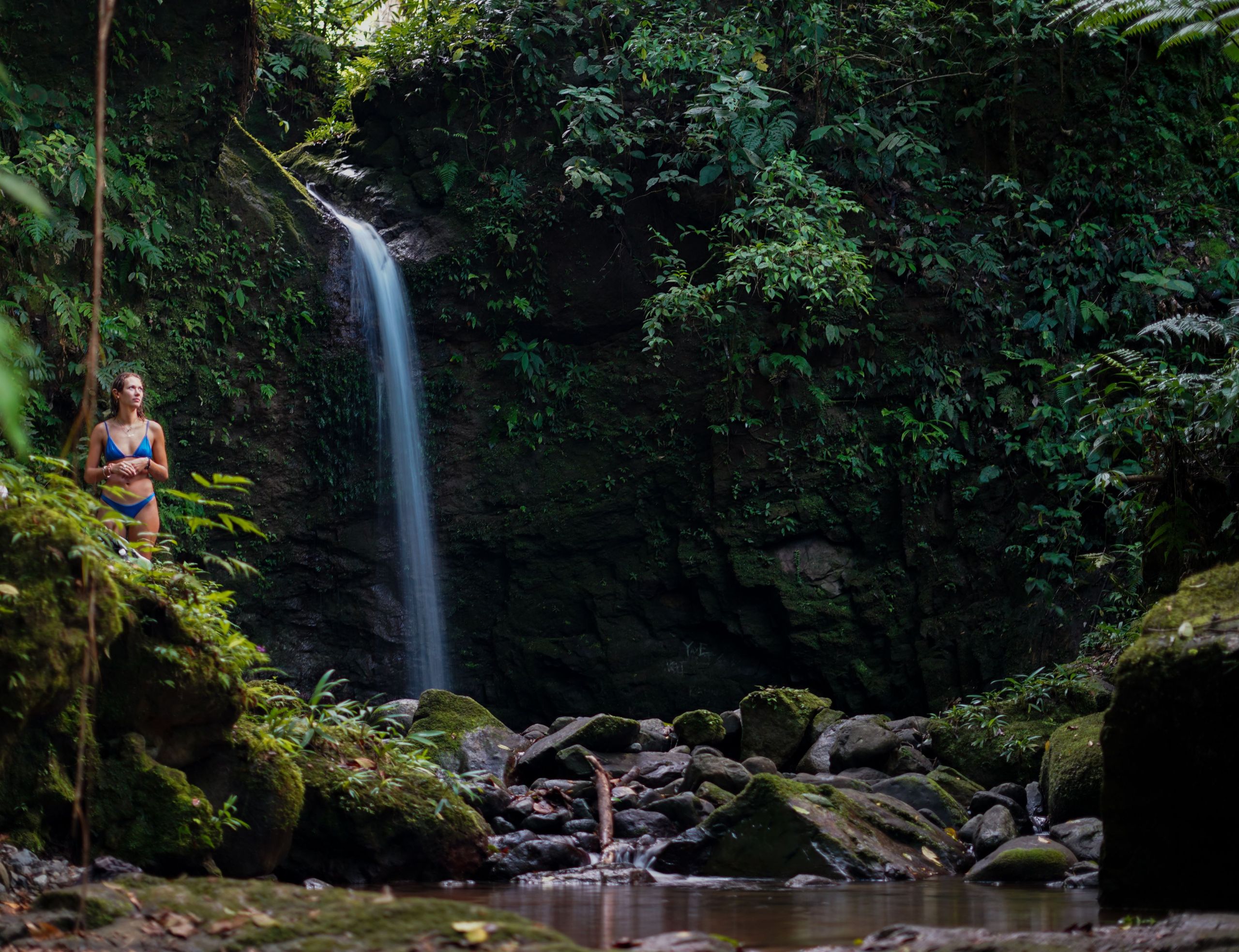
Mauritius is often defined by its beaches. Images of white sand, turquoise lagoons and luxury resorts dominate most travel discussions surrounding the island. Yet beyond the coastline lies another side of Mauritius that many visitors overlook entirely — one shaped by volcanic mountains, dense forests, waterfalls, marine parks and quieter coastal regions that reveal the island’s deeper natural character.
For travellers seeking more than a traditional beach holiday, Mauritius offers a surprising diversity of landscapes and experiences. From protected national parks and scenic hiking trails to secluded bays and rich marine ecosystems, the island continues to evolve as one of the Indian Ocean’s most complete nature and wellness destinations.
For this reason, many of the best things to do in Mauritius now extend far beyond simply relaxing by the sea.
Despite its relatively small size, Mauritius contains an exceptional variety of natural environments. Inland regions reveal volcanic terrain, forest reserves and panoramic mountain viewpoints, while the coastline shifts between sheltered lagoons, coral reefs and rugged ocean scenery.
The island’s geography also creates noticeable contrasts between regions. Certain coastal areas remain lively and entertainment-focused, while others offer quieter surroundings more closely connected to nature and slower travel experiences.
As travellers increasingly seek immersive and experience-led holidays, interest in Mauritius’ natural attractions has continued to grow. Hiking, wellness retreats, marine excursions and eco-tourism activities are now becoming central parts of the Mauritian travel experience.
Where is the best area to stay in Mauritian winter?
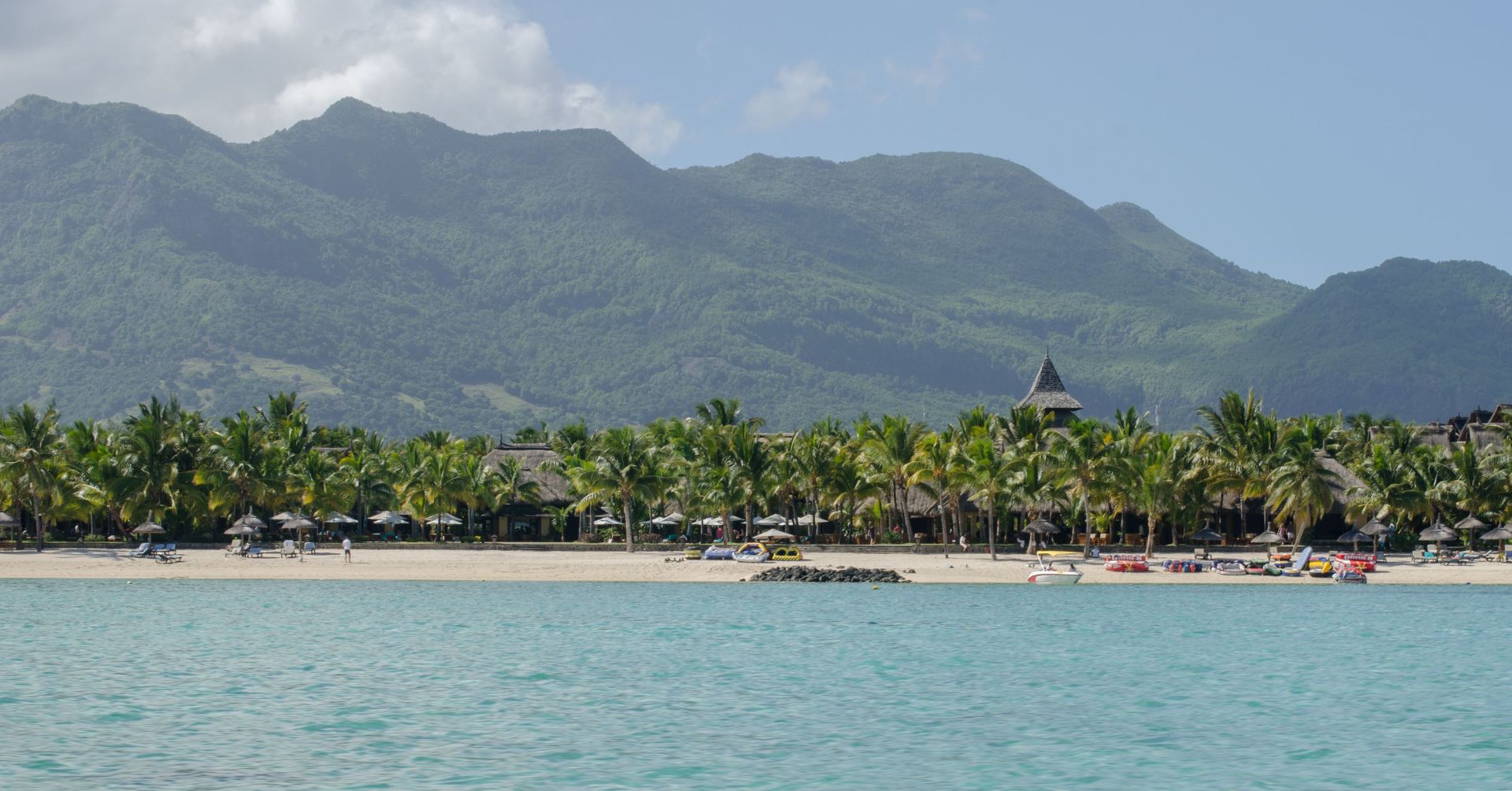
Among the island’s most remarkable natural attractions is Black River Gorges National Park, the largest protected forest reserve in Mauritius. Located in the island’s southwest region, the park contains native forests, dramatic viewpoints, waterfalls and hiking trails that showcase a completely different side of the island compared to its coastal resorts.
The park is also home to several endemic species of plants and birds unique to Mauritius. Trails range from shorter scenic walks to longer hikes crossing valleys, ridgelines and dense vegetation.
For travellers interested in outdoor exploration, Black River Gorges remains one of the best things to do in Mauritius beyond the beach environment.
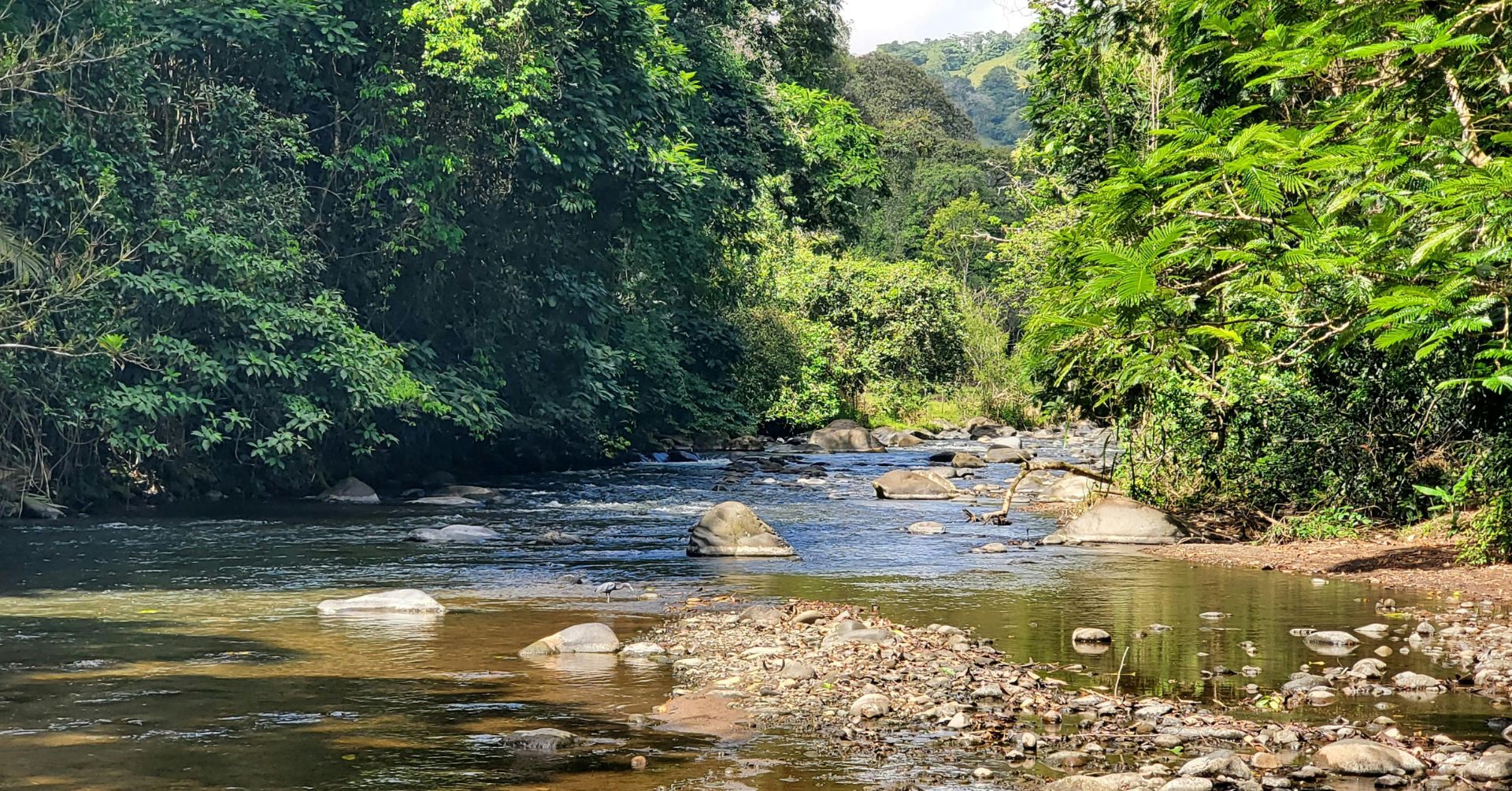
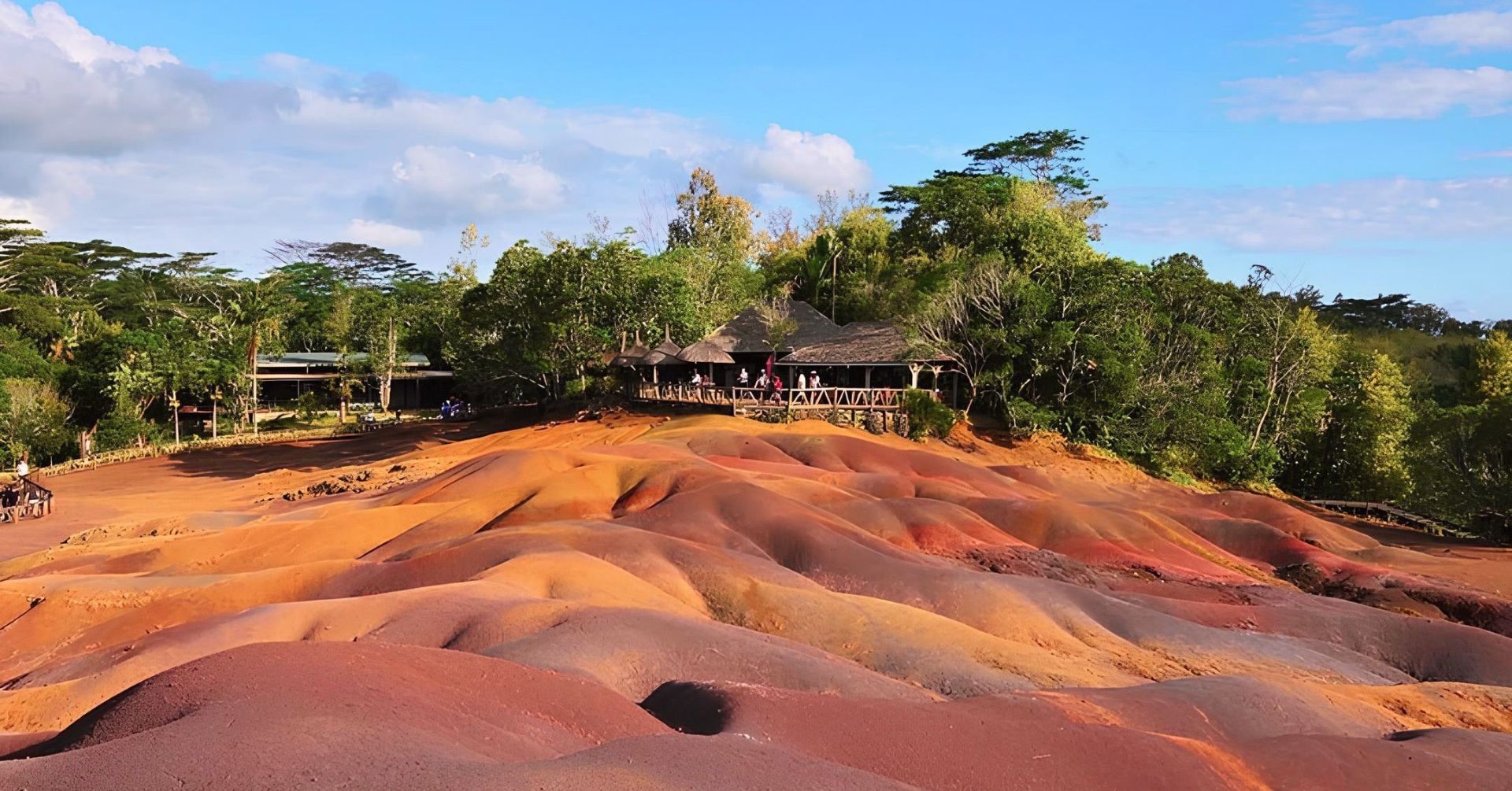
Chamarel has become one of Mauritius’ most recognisable inland destinations, known for its distinctive geological landscapes and lush surroundings.
The region’s famous Seven Coloured Earth features naturally occurring sand dunes displaying unusual shades of red, brown, violet and ochre, formed through volcanic activity over thousands of years. Nearby, Chamarel Waterfall adds another dramatic natural landmark, surrounded by dense tropical vegetation and elevated viewpoints.
Beyond the major attractions themselves, the wider Chamarel region also offers winding mountain roads, forests and scenic landscapes that contrast sharply with the island’s coastal imagery.
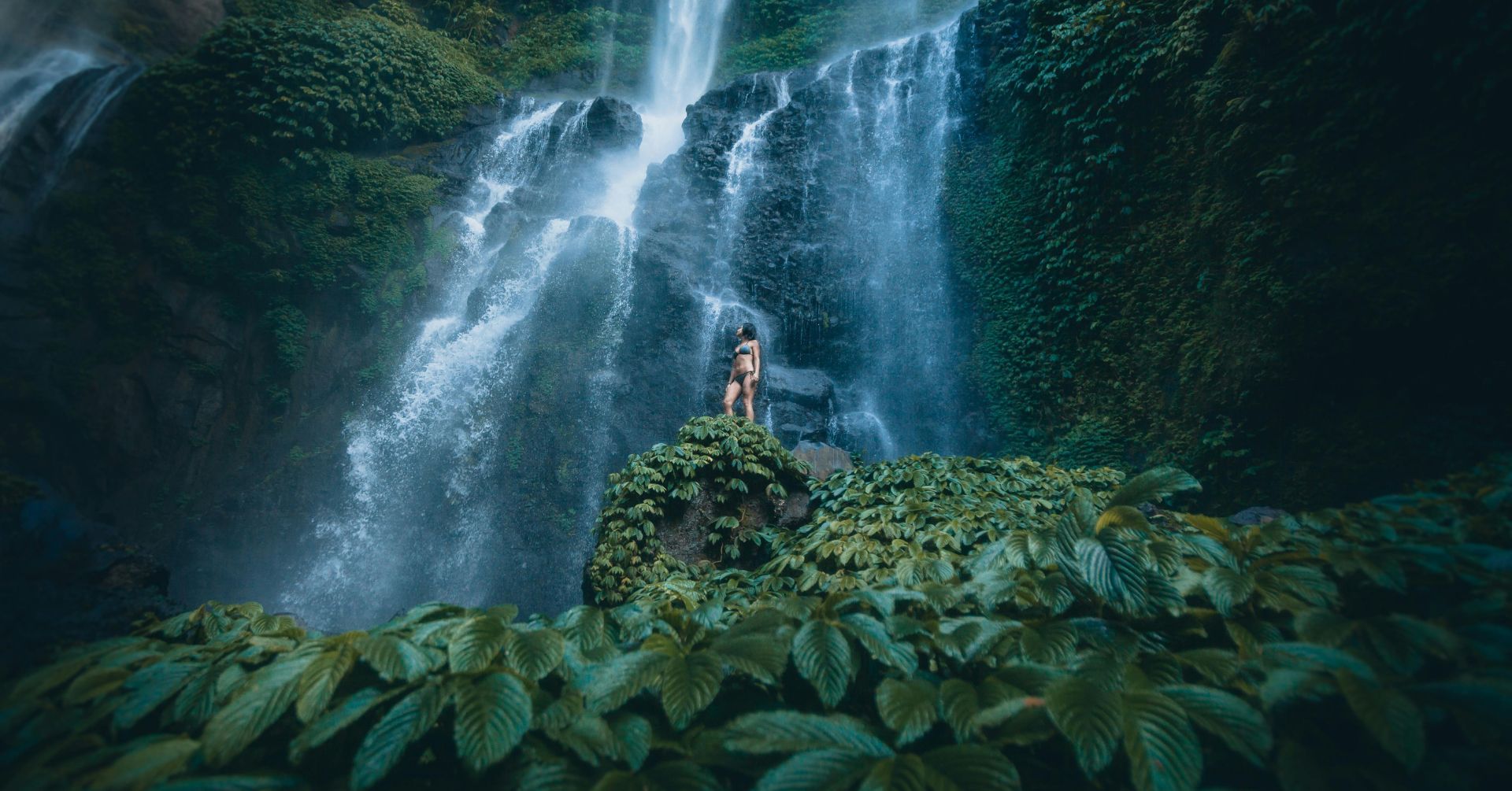
Mauritius contains numerous waterfalls scattered throughout its inland regions, many of which remain less frequented than the island’s better-known beach areas.
Among the most impressive is Tamarind Falls, a series of cascading waterfalls located within a forested valley. The area has become popular for guided hikes, canyoning experiences and nature excursions that allow visitors to discover Mauritius’ rugged volcanic terrain more closely.
Waterfall excursions also appeal to travellers seeking more active outdoor experiences during their stay, particularly during the cooler and drier winter months when hiking conditions become more comfortable.
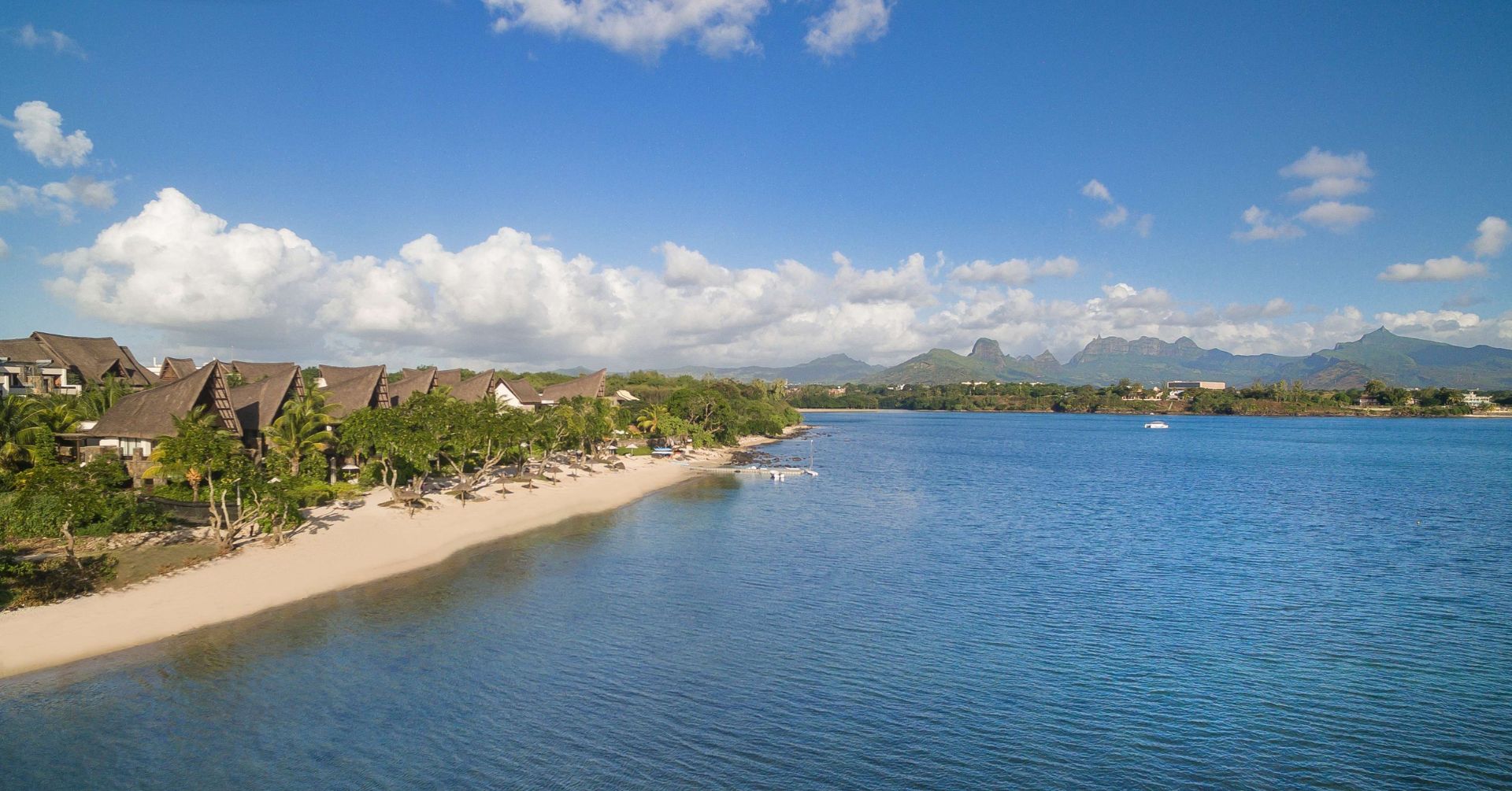
While Mauritius’ beaches receive most of the attention, the island’s marine environments themselves are equally significant natural attractions.
Protected areas such as Turtle Bay Marine Park contain coral ecosystems, tropical fish species and calm lagoon waters suited to snorkelling, kayaking and glass-bottom boat excursions. The marine park’s relatively sheltered environment also supports quieter coastal experiences compared to busier tourist regions elsewhere on the island.
Located near Balaclava, Turtle Bay represents a different rhythm of Mauritian coastal travel — one centred less on crowds and nightlife, and more on relaxation, nature and slower immersion within the surrounding environment.
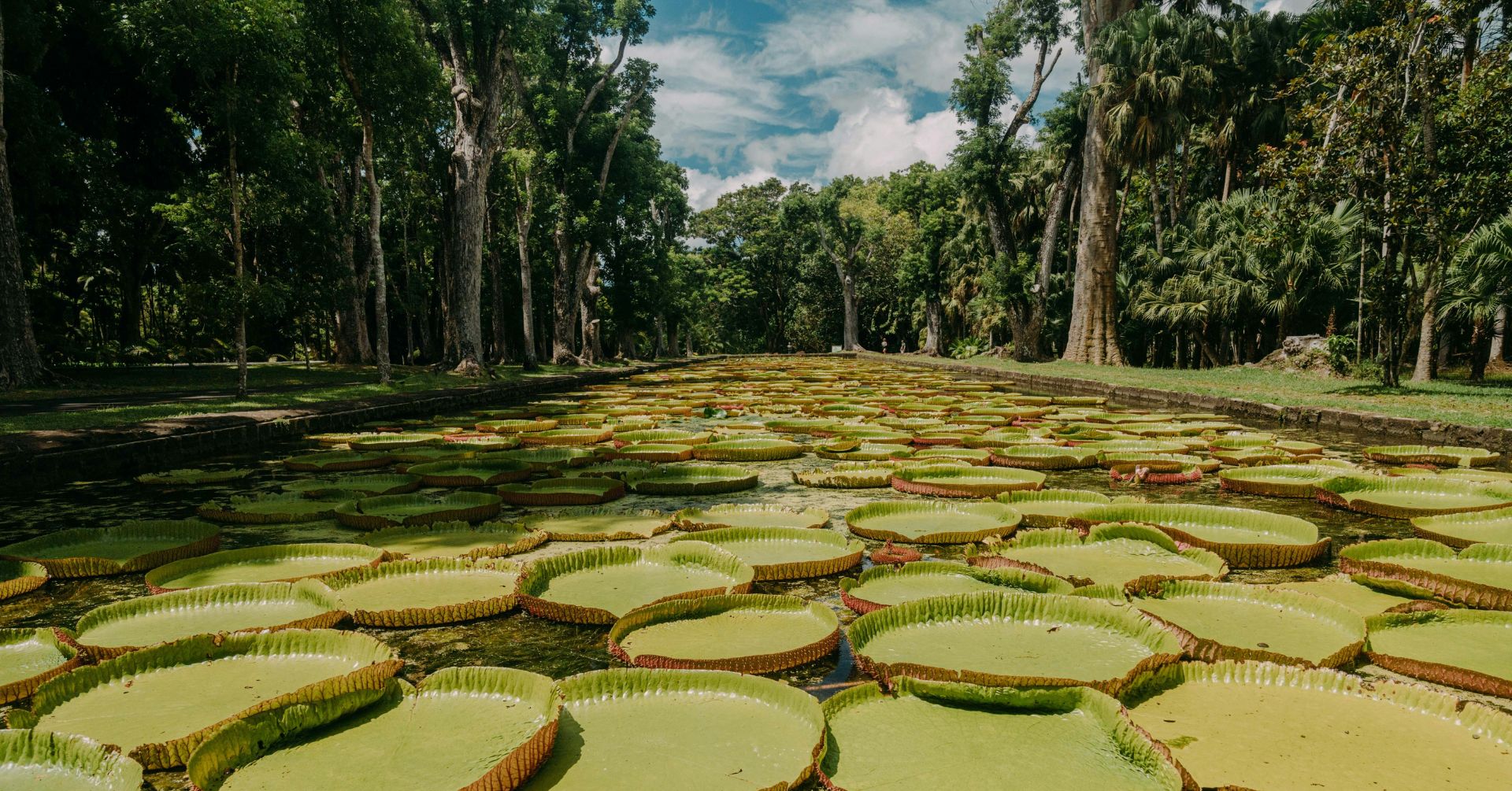
Mauritius also possesses a rich botanical heritage shaped by centuries of cultural and ecological influence.
The Sir Seewoosagur Ramgoolam Botanical Garden in Pamplemousses remains one of the oldest botanical gardens in the Southern Hemisphere and continues to attract visitors interested in tropical flora, giant water lilies and rare palm species.
Beyond the gardens themselves, Mauritius’ wider ecological identity remains closely linked to conservation efforts surrounding endemic species and native forests, particularly within protected inland reserves.
Luxury travel trends have increasingly shifted toward slower, experience-oriented stays focused on wellness, nature and privacy rather than constant activity.
Mauritius aligns naturally with this evolution. Beyond its beaches, the island offers a balance between outdoor exploration and restorative experiences, allowing travellers to combine hiking, marine activities and cultural discovery with spa experiences, wellness programmes and secluded coastal settings.
This shift has also increased interest in quieter regions such as Balaclava, where visitors can access both marine environments and inland attractions while remaining removed from denser tourist zones.
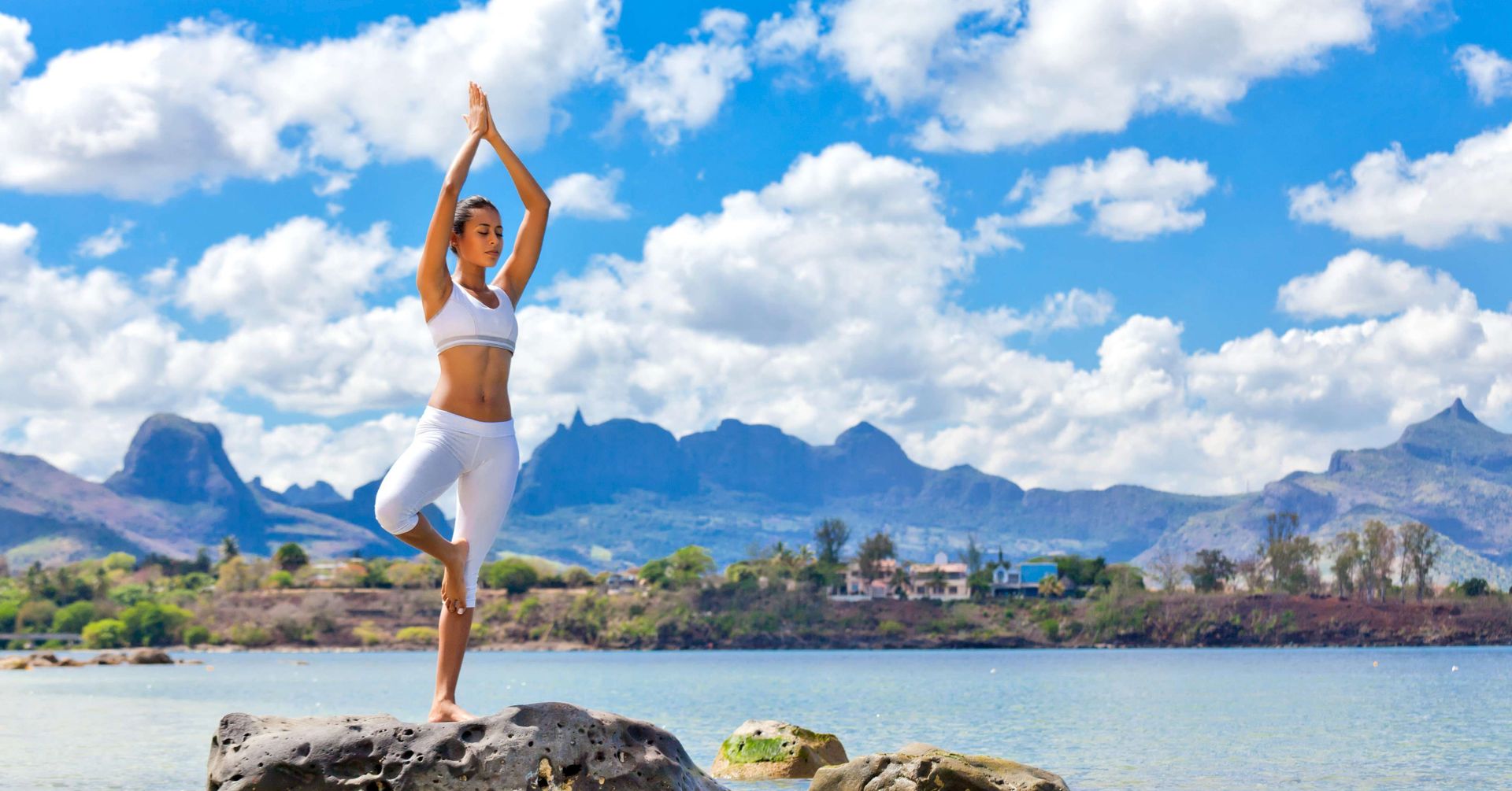
Mauritius continues to stand apart not simply because of its beaches, but because of the diversity that exists beyond them. Volcanic mountains, protected forests, waterfalls, marine parks and quieter coastal regions all contribute to a destination far richer than its postcard imagery often suggests.
For travellers seeking nature, wellness and a more immersive island experience, exploring Mauritius beyond the shoreline reveals some of the island’s most rewarding experiences. Areas such as Balaclava, positioned between marine ecosystems and inland discovery routes, increasingly appeal to visitors looking for a more peaceful and experience-led approach to luxury travel in Mauritius.